Related Articles
- Uncharted Frequencies: The Surprising Role of Subcultures in Shaping Global Digital Landscapes
- Wired Whims: The Unexpected Role of Niche Online Communities in Shaping Global Digital Trends
- Fragmented Signals: Exploring the Shadows of Digital Divide in Emerging Economies and Its Impact on Global Unity
- Decoding the Invisible: How Microbial Communication Could Revolutionize Digital Interactions
- Cryptic Channels: How Encrypted Messaging Platforms Are Reshaping Trust and Transparency in Online Interactions
- Mysterious Modes: The Rise of Cryptographic Channels in Secret Online Dialogues and Their Hidden Impacts
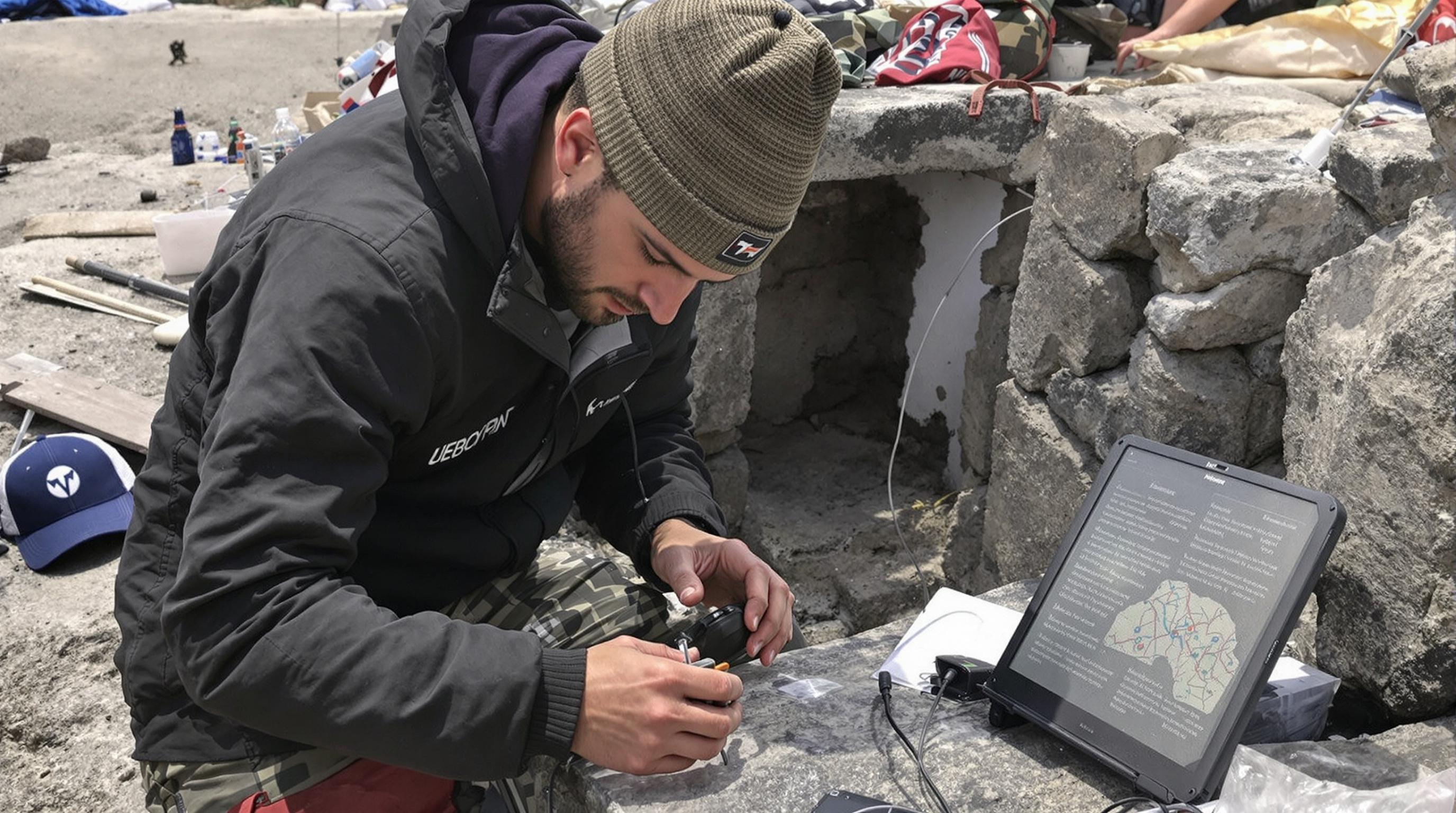
7 Wireless Innovations Reshaping Remote Archaeological Research: Connecting the Dots in Uncharted Territories
7 Wireless Innovations Reshaping Remote Archaeological Research: Connecting the Dots in Uncharted Territories
7 Wireless Innovations Reshaping Remote Archaeological Research
In an era where technology unlocks the potential of ancient worlds, wireless innovations are at the forefront of transforming remote archaeological research. These advancements not only enhance the way archaeologists collect data but also redefine how we understand and interact with archaeological sites. As remote areas often present unique challenges, from accessibility to data gathering limitations, these innovations serve to bridge the gap between ancient relics and modern science.
The use of wireless technologies in archaeology is akin to handing a visual artist a new spectrum of colors to work with—it's not merely about the tools; it's about how these tools expand our capability to perceive and interpret history. By connecting researchers to distant locations instantly, we begin to unravel the stories trapped in the soil and artifacts waiting to be discovered.
This article explores seven wireless innovations that are changing the face of remote archaeological research, highlighting how they facilitate communication, enhance data collection, and ultimately lead to richer historical narratives.
1. Drones: Aerial Insights from Above
Drones have emerged as a vital tool for archaeologists, providing bird's-eye views of landscapes that were once difficult to assess. Equipped with high-resolution cameras, these unmanned aerial vehicles can capture detailed images of archaeological sites, highlighting features that may be invisible from the ground. The ability to document entire sites in unprecedented detail allows researchers to create comprehensive maps, facilitating easier planning and excavation.
Moreover, drones can cover vast areas quickly, saving time and resources in the field. This efficiency is especially crucial when conducting surveys in remote locations, where traditional methods might require extensive manpower and logistics. Drones enable archaeologists to focus their efforts on areas of interest, leading to more targeted and efficient excavations.
In addition to mapping, drones can also be equipped with thermal sensors to detect buried structures or artifacts through temperature variations in the ground. This capability enables archaeologists to identify potential sites without invasive digging, preserving the integrity of the land while expanding their understanding of human history.
2. GPS Technology: Pinpointing the Past
Global Positioning System (GPS) technology has revolutionized how archaeological sites are documented and analyzed. With precise geolocation capabilities, archaeologists can map their findings within a coordinate system, facilitating accurate record-keeping and future reference. This technological advancement ensures that every artifact’s location is precisely noted, which is critical for understanding site layout and context.
The integration of GPS with Geographic Information Systems (GIS) further enhances archaeological analysis by allowing researchers to layer various data sets. This capability enables the visualization of relationships between artifacts, features, and the environment, leading to more comprehensive interpretations of historical scenarios and human interactions.
Furthermore, as archaeologists travel to increasingly remote locations, reliable GPS systems provide essential navigation support. This technology minimizes the risks associated with traversing uncharted territories, ensuring that researchers can efficiently find their way to sites of interest, even in challenging landscapes.
3. Wireless Sensor Networks: Monitoring the Elements
Wireless sensor networks (WSNs) are instrumental in archaeological research, particularly in monitoring environmental conditions that can affect the preservation of artifacts and features. These networks consist of distributed sensors that collect data on a range of factors, including temperature, humidity, and soil composition. By transmitting this information in real-time, researchers can make informed decisions about site management and preservation.
For instance, archaeologists can deploy sensors around excavation sites to monitor fluctuations that may indicate potential threats, such as moisture levels that could lead to erosion or degradation of materials. The ability to receive immediate alerts allows them to take preemptive action, safeguarding the integrity of their work.
Moreover, WSNs can be invaluable during the excavation process itself. By integrating sensors with excavation tools, archaeologists can collect data on soil composition and stratigraphy as they dig, creating a more seamless and informed excavation experience that preserves the site's historical context.
4. 3D Scanning: Capturing the Unseen
3D scanning technology has become a game-changer in archaeological documentation, allowing researchers to create highly detailed digital models of artifacts and even entire sites. This non-invasive method not only preserves the physical characteristics of objects but also enables enhanced analysis without the risk of damaging the originals. Such digital archives serve to immortalize archaeological findings, making them accessible to future researchers and the public alike.
The applications of 3D scanning extend beyond simple documentation. These models can facilitate virtual reality experiences, allowing individuals to "walk" through ancient sites or interact with artifacts in ways that were previously unimaginable. This immersive technology bridges the gap between history and modern audiences, fostering a deeper appreciation for heritage.
As archaeologists work in increasingly remote areas, the ability to collect and share 3D data via wireless networks enhances collaboration among researchers globally. This connectivity not only enriches knowledge but also encourages innovation in methodologies as scholars learn from one another's findings.
5. Mobile Applications: Archaeology in Your Pocket
The rise of mobile applications has empowered both professional archaeologists and amateur enthusiasts to document discoveries and share knowledge instantaneously. With mobile apps designed specifically for archaeological research, users can record findings, take photographs, and upload data directly to cloud-based databases from the field. This accessibility allows for real-time collaboration and data sharing, accelerating the pace of discovery.
Moreover, apps can be tailored to include functionalities such as geolocation tagging and extensive archaeological databases, which guide users through the research process and provide essential context for their findings. As smartphones become ubiquitous, these tools are making archaeological research more inclusive and participatory.
In addition to documentation and collaboration, mobile applications can also enhance educational outreach. By providing tools to engage with archaeological heritage interactively, these apps promote awareness and interest in the field, inspiring the next generation of archaeologists.
6. Internet of Things (IoT): Connecting Artifacts to Analysis
The Internet of Things (IoT) brings a new dimension to archaeological research through the connections it fosters between physical artifacts and digital data. By equipping artifacts with identificatory tags that transmit data to a centralized system, archaeologists can track their location, condition, and even historical context. This technology not only streamlines data collection but also elevates how artifacts are managed and preserved.
Through IoT platforms, remote sites can be monitored for changes or disturbances that could impact the preservation of materials. This capability allows researchers to respond swiftly to environmental threats, ensuring that sites remain protected and that artifacts are safeguarded for future study.
Furthermore, IoT applications extend to enhancing visitor experiences at archaeological sites. By integrating sensors and data streams, visitors can access information about exhibits through their devices, fostering deeper engagement and understanding of the history encapsulated within the artifacts.
7. Virtual Collaboration Tools: Bridging Distances
As archaeological research frequently takes place in remote locations, virtual collaboration tools have become paramount in connecting scholars across the globe. With platforms supporting video conferencing and document sharing, archaeologists can collaborate in real-time, regardless of their physical location. This has transformed project management and peer feedback, leading to a richer collective knowledge base.
Such technologies also facilitate the involvement of interdisciplinary teams who can contribute diverse expertise to archaeological projects. By collaborating with specialists in fields such as anthropology, history, and biotechnology, archaeologists can approach research questions from multiple angles and enrich their analyses.
Furthermore, these tools enable a broader public engagement with archaeology. By hosting virtual talks and workshops, researchers can share their findings and methodologies with interested communities worldwide, breaking down barriers between academia and the public and fostering a culture of inclusivity in the exploration of our shared heritage.
In conclusion, the integration of these seven wireless innovations into archaeological research is reshaping how scholars engage with ancient sites and artifacts. As technology continues to advance, it will undoubtedly push the boundaries further, allowing us to uncover more of the untold stories that lie hidden beneath the surface. By embracing these tools, researchers can enhance their work and inspire future generations to explore the mysteries of our past.
Read More