Related Articles
- Uncharted Frequencies: The Surprising Role of Subcultures in Shaping Global Digital Landscapes
- Wired Whims: The Unexpected Role of Niche Online Communities in Shaping Global Digital Trends
- Fragmented Signals: Exploring the Shadows of Digital Divide in Emerging Economies and Its Impact on Global Unity
- Decoding the Invisible: How Microbial Communication Could Revolutionize Digital Interactions
- Cryptic Channels: How Encrypted Messaging Platforms Are Reshaping Trust and Transparency in Online Interactions
- Mysterious Modes: The Rise of Cryptographic Channels in Secret Online Dialogues and Their Hidden Impacts
5 Unlikely Champions: The Role of Wireless Innovations in Enhancing Wildlife Conservation and Ecosystem Monitoring
5 Unlikely Champions: The Role of Wireless Innovations in Enhancing Wildlife Conservation and Ecosystem Monitoring
5 Unlikely Champions: The Role of Wireless Innovations in Enhancing Wildlife Conservation and Ecosystem Monitoring
Introduction to Wireless Innovations
Wireless technology has transformed numerous sectors, and now it is emerging as a crucial ally in wildlife conservation. From drone surveillance to smart collars, these innovations are offering new tools that enhance the way researchers monitor ecosystems and animal populations. As wildlife faces numerous threats, including habitat loss and climate change, leveraging these technologies can pave the way for more effective conservation strategies.
Wireless innovations enable real-time data collection, providing immediate insights into animal behavior, movement patterns, and environmental changes. This instant access to information allows conservationists to make informed decisions quickly. Moreover, these technologies are becoming more affordable and accessible, fostering a wave of grassroots efforts in wildlife protection.
As we delve deeper into the five areas where wireless innovations shine, we will detail their transformative potential and the unexpected champions that have emerged as a result.
1. Drones: Eyes in the Sky
Drones have become pivotal in wildlife monitoring, offering a bird's-eye view of the landscape. By being able to survey vast stretches of land without disturbing wildlife, they provide invaluable data about animal populations and habitats. Research published in the journal *Conservation Biology* highlighted how drones can track migratory patterns of species, revealing critical insights into their behavior that were previously unattainable (Anderson & Gaston, 2013).
In addition to monitoring, drones can also aid in anti-poaching efforts. Equipped with infrared cameras, they can detect human activity in protected areas, alerting rangers to potential threats before they escalate. This proactive approach significantly improves the chances of preserving endangered species.
Ultimately, drones offer a blend of efficiency and effectiveness, emerging as unlikely champions in the fight for wildlife conservation while reducing human impact on natural habitats.
2. Smart Collars: A New Age of Tracking
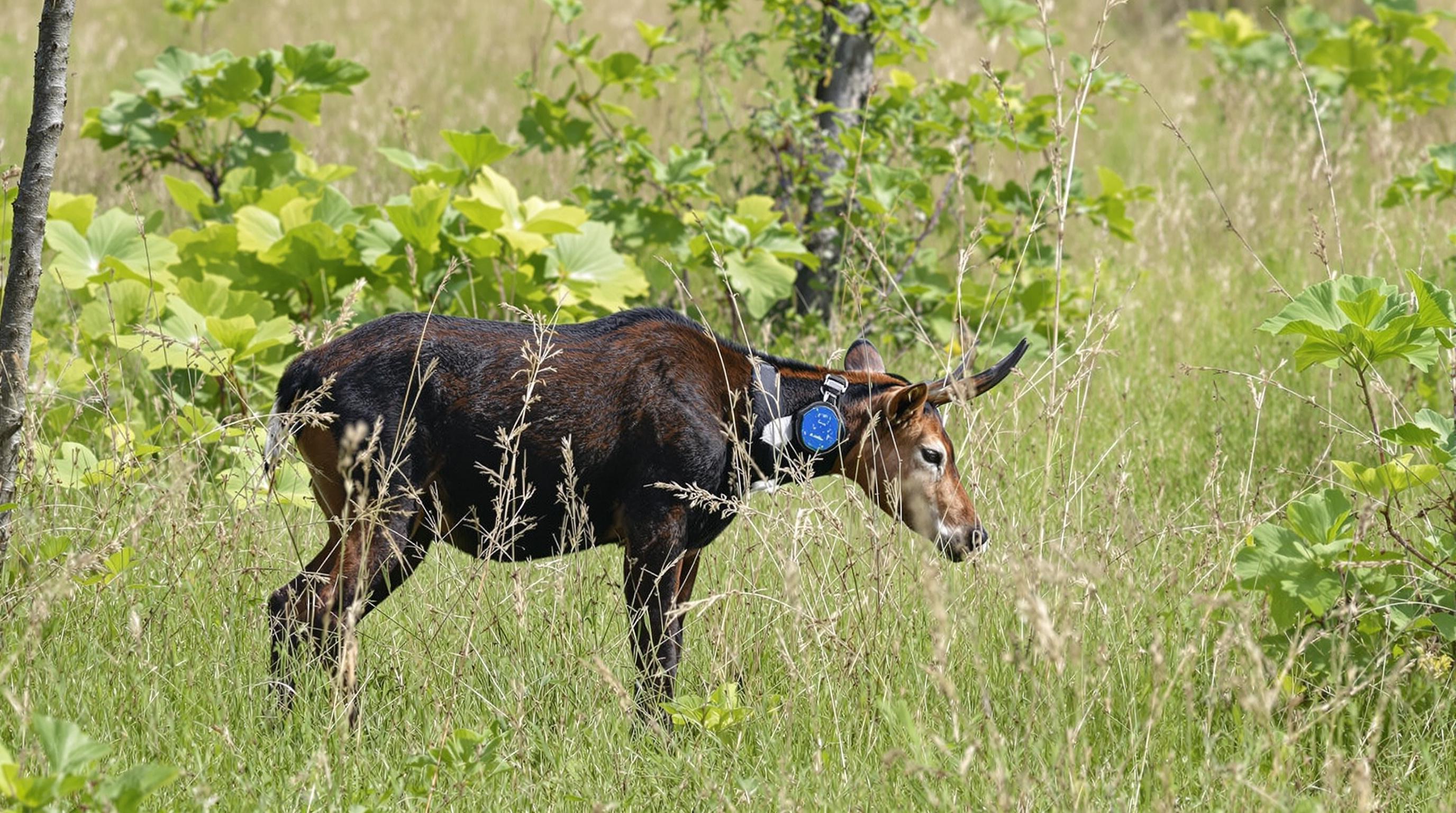
Smart collars fitted with GPS technology and sensors have revolutionized the way wildlife is tracked and studied. These devices not only pinpoint the location of individual animals but also monitor their health, activity levels, and behaviors. According to a study by Hebblewhite et al. (2010), this technology has been pivotal in understanding migration corridors and habitat use of various species, allowing targeted conservation efforts.
For instance, conservationists in Africa have used smart collars on elephants to study their movements, helping to mitigate human-elephant conflicts. By analyzing the data collected, researchers can create safer wildlife corridors that respect both animal and human needs, thereby fostering coexistence.
The adaptability of smart collars demonstrates how integrating technology into conservation practices not only aids in research but also enhances the overall safety of wildlife.
3. Remote Sensing: Monitoring Ecosystem Health
Remote sensing technologies, including satellite imaging and aerial photography, play an integral role in assessing ecosystem health. By allowing researchers to gather data over large areas, remote sensing provides a macro-level perspective on land-use changes, habitat degradation, and biodiversity loss. A comprehensive review in *Remote Sensing in Ecology and Conservation* highlights the critical contributions of these technologies to conservation planning (Turner et al., 2015).
These tools offer detailed insights into environmental changes, enabling scientists to identify regions that are under threat or in need of protection. This approach is not only efficient but also cost-effective, particularly for monitoring remote and inaccessible regions where traditional methods fall short.
The ability to collect and analyze vast datasets empowers conservationists to deploy resources more efficiently, making remote sensing an invaluable companion in wildlife preservation efforts.
4. Citizen Science: Engaging Communities
Wireless innovations have also facilitated the rise of citizen science, where community members utilize smartphones and apps to contribute to wildlife monitoring. Platforms such as iNaturalist and eBird enable people to record and share local observations, effectively democratizing science and conservation efforts. This collaborative approach not only fosters awareness but creates a sense of ownership and responsibility in local communities.
Research indicates that engaging communities through citizen science can lead to increased public investment in conservation initiatives. A study in *Biological Conservation* highlighted that local involvement can enhance the accuracy of biodiversity assessments by providing data from areas that researchers might overlook (Conrad & Hilchey, 2011).
The grassroots nature of citizen science exemplifies how wireless technology can empower individuals, transforming them into champions for wildlife conservation within their own communities.
5. Acoustic Monitoring: Listening to Nature
Acoustic monitoring is another remarkable wireless innovation that allows researchers to listen to the natural world. By deploying sound recorders in various environments, scientists are able to study animal vocalizations and ecosystems' health. This method has proven essential in monitoring elusive species that are difficult to survey through visual methods, such as nocturnal or cryptic animals.
Research suggests that analyzing sounds can provide insights into biodiversity levels, species interactions, and even ecosystem responses to environmental changes. An article in *Ecological Applications* emphasizes the effectiveness of acoustic monitoring in evaluating the impact of human activity on wildlife (Krause et al., 2011).
Thus, acoustic monitoring serves as a vital tool for conservationists, allowing them to gather data while minimizing disturbance to wildlife, demonstrating the power of listening in diverse contexts.
6. Community-Based Wireless Networks
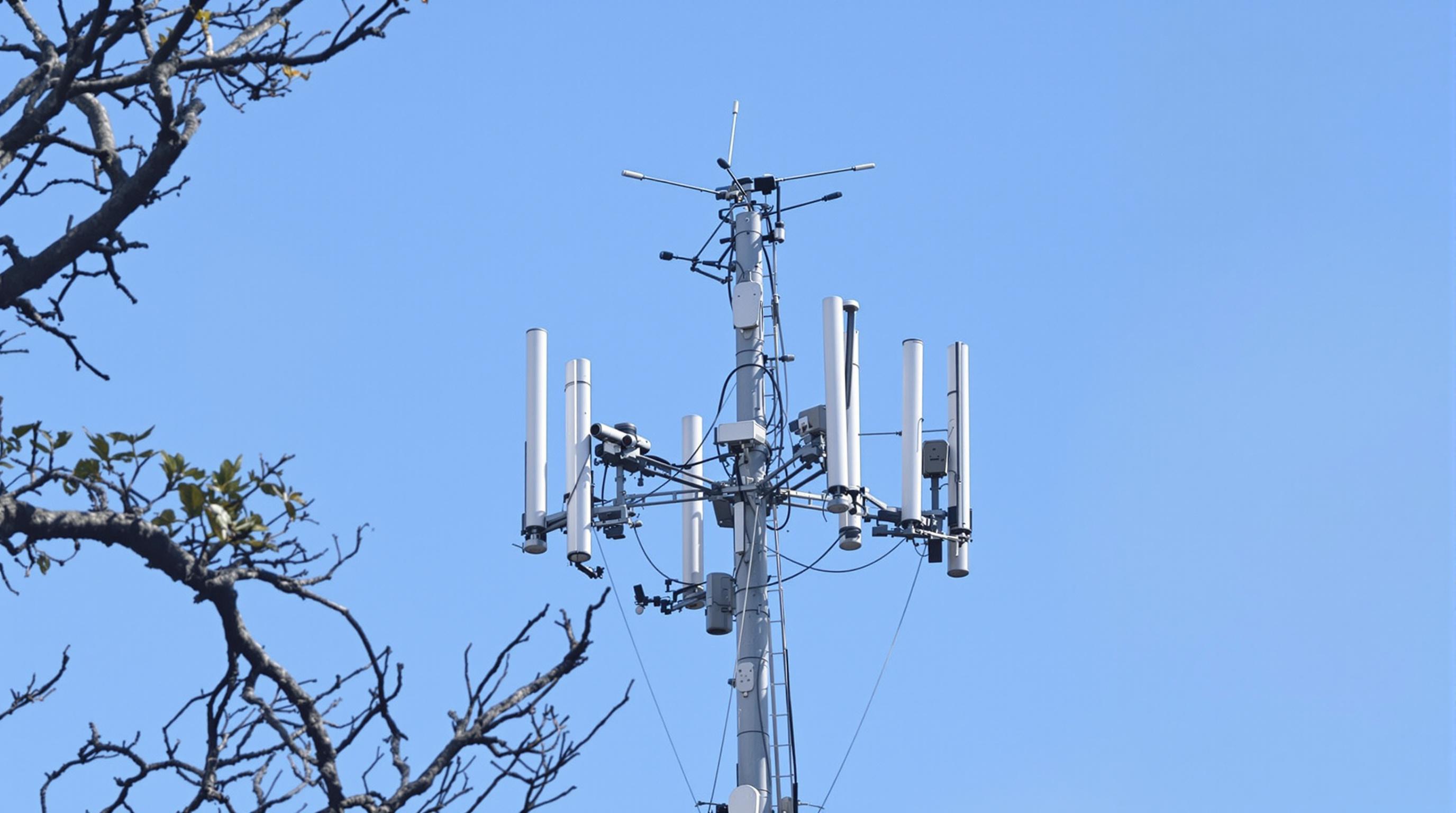
Innovative wireless communication technologies are fostering the establishment of community-based networks, enhancing collaboration among conservationists, researchers, and local residents. Through the use of mesh networks and low-cost connectivity solutions, rural and remote communities can share information about wildlife while participating in local conservation efforts. This synergy is especially crucial in areas where traditional internet access is unavailable.
These community-based networks allow for real-time reporting of wildlife sightings, poaching incidents, and habitat changes. By utilizing mobile technologies, locals can contribute critical data to research and conservation initiatives. According to a study in *Environmental Science & Policy*, these networks can significantly improve the effectiveness of conservation actions by providing timely information for decision-making (Bennett et al., 2017).
This cooperative spirit creates a shared sense of accountability and investment in conservation, highlighting the profound impact of wireless innovations on community engagement in protecting wildlife.
7. Data Analysis and Machine Learning
The explosion of big data in conjunction with wireless technologies has opened up new avenues for analyzing ecological information. Machine learning algorithms can process and interpret vast amounts of data collected through various monitoring tools, revealing patterns and insights that human analysts may overlook. This capability is proving transformative for wildlife conservation efforts.
For instance, researchers are employing machine learning to assess population dynamics, predicting future trends in species distributions, and identifying key areas for conservation priority. A study detailed in *Ecology Letters* demonstrates how machine learning can enhance models of animal behavior, significantly improving conservation strategies (Hao et al., 2020).
By embracing data analysis and machine learning, wildlife conservation is moving toward a future characterized by precision and informed decision-making, proving that unlikely champions of innovation can drive meaningful change.
8. Advancements in Battery Technology
As wildlife monitoring increasingly relies on wireless technology, advancements in battery technology have become indispensable. Longer-lasting batteries and solar-powered devices are enabling researchers to deploy monitoring equipment in remote areas for extended periods without the need for frequent maintenance. The evolution of energy-efficient designs has broadened the scope of what is possible in the realm of conservation.
According to a report by the *Nature Energy*, innovations in battery efficiency have the potential to reduce the overall environmental footprint of conservation technology (Dunn et al., 2015). This not only makes monitoring efforts more sustainable but also aligns with the overarching goals of wildlife conservation.
These advancements enhance the reliability and feasibility of conservation projects, ensuring that long-term wildlife management strategies can be executed with minimal disruption to natural habitats.
Conclusion: The Future of Wildlife Conservation
In conclusion, wireless innovations have emerged as unlikely champions of wildlife conservation, amplifying the efforts of those committed to preserving biodiversity and ecosystems. From aerial drones to community-driven projects and advanced data analytics, these technologies are reshaping how we approach conservation in our changing world.
The collective impact of these innovations highlights the importance of technology in understanding and mitigating threats to wildlife. As we embrace the power of wireless technologies, we foster a collaborative environment where communities, scientists, and conservationists can work hand-in-hand to protect our planet's irreplaceable natural heritage.
Looking ahead, the continuous integration of innovation in conservation practices spells a hopeful future. By harnessing the capabilities of wireless technology, we can strive towards a more equitable coexistence with nature, ensuring that the champions of wildlife conservation come from both technology and community.
Read More