
Related Articles
- Uncharted Frequencies: The Surprising Role of Subcultures in Shaping Global Digital Landscapes
- Wired Whims: The Unexpected Role of Niche Online Communities in Shaping Global Digital Trends
- Fragmented Signals: Exploring the Shadows of Digital Divide in Emerging Economies and Its Impact on Global Unity
- Decoding the Invisible: How Microbial Communication Could Revolutionize Digital Interactions
- Cryptic Channels: How Encrypted Messaging Platforms Are Reshaping Trust and Transparency in Online Interactions
- Mysterious Modes: The Rise of Cryptographic Channels in Secret Online Dialogues and Their Hidden Impacts
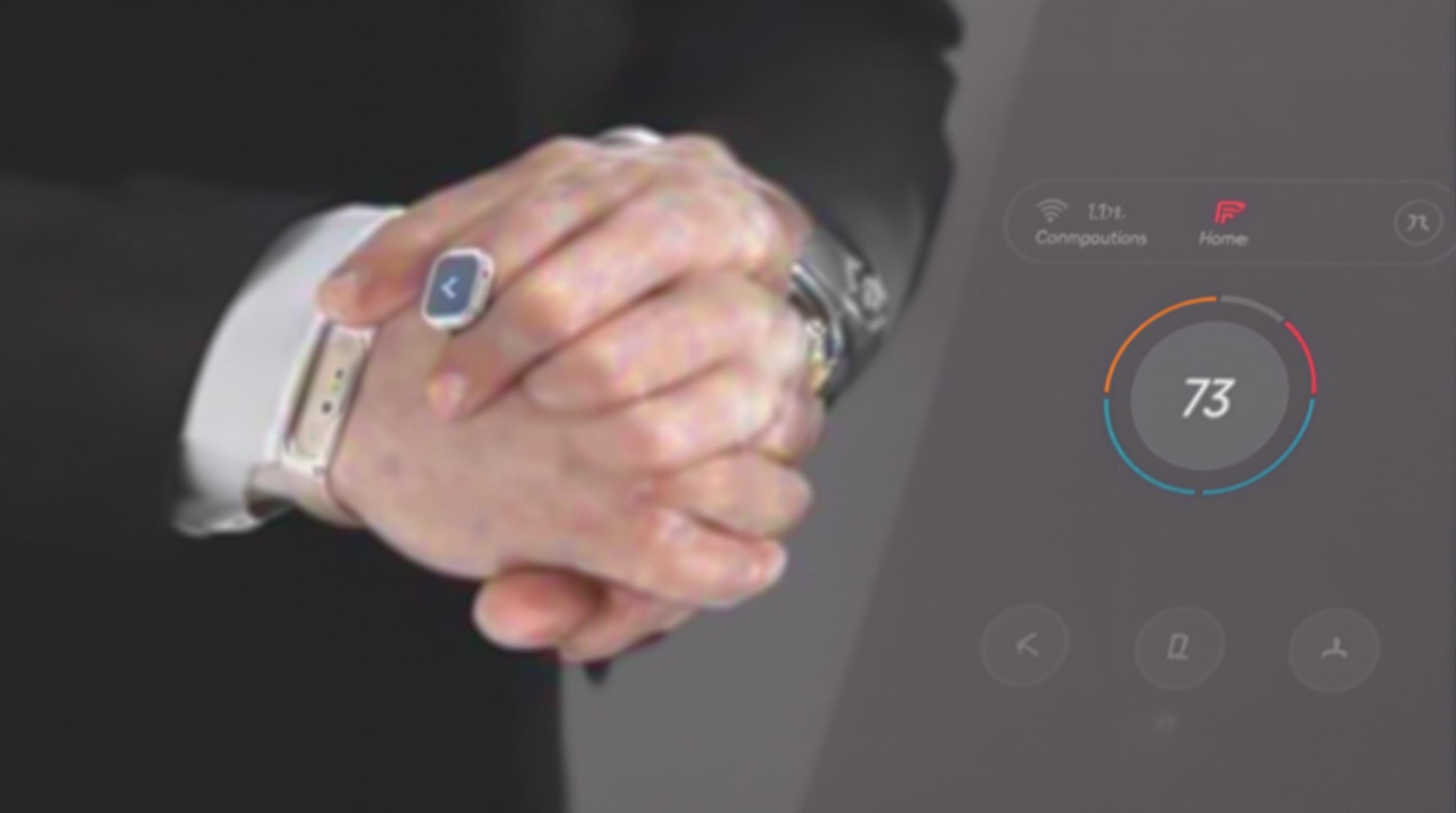
11 Groundbreaking Wireless Innovations Transforming Personal Health Monitoring: From Wearables to Smart Home Devices
11 Groundbreaking Wireless Innovations Transforming Personal Health Monitoring: From Wearables to Smart Home Devices
11 Groundbreaking Wireless Innovations Transforming Personal Health Monitoring: From Wearables to Smart Home Devices
1. Introduction to Wireless Health Monitoring
The landscape of personal health monitoring has experienced a remarkable transformation in recent years, driven by rapid advances in wireless technology. The shift from traditional manual health tracking to sophisticated wireless devices has opened up new avenues for individuals to manage their health proactively. With the proliferation of wearables and smart home devices, personal health monitoring has become more accessible, efficient, and user-friendly.
Wireless health monitoring offers users continuous data collection and real-time analysis, enabling them to gain insights into their health status without the need for invasive procedures. By leveraging Bluetooth, Wi-Fi, and advanced sensors, these devices provide a comprehensive view of health metrics directly to users’ smartphones or computers. This technological shift has empowered individuals to take charge of their health in a way that was previously unimaginable.
As we delve into the different innovations transforming personal health monitoring, it becomes evident that these advancements are not just about convenience; they are fundamentally changing how we approach health and wellness. From preventing chronic diseases to enhancing overall quality of life, the impact of wireless innovations in health monitoring is profound.
2. Smart Wearable Devices
Smart wearable devices are perhaps the most recognizable category of wireless health monitoring innovations. These gadgets, ranging from smartwatches to fitness bands, track various health metrics including heart rate, steps taken, and sleep patterns. Notable products like the Apple Watch and Fitbit have set the standard for user-friendly interfaces and comprehensive health tracking features.
The integration of advanced sensors in smart wearables has dramatically improved the accuracy of health data collection. For example, continuous heart rate monitors can provide valuable insights into cardiovascular health, while sleep tracking features can help users understand their sleep quality and patterns. As technology continues to improve, we can expect wearables to become even more sophisticated in the data they collect and the insights they offer.
Moreover, the social aspect of wearables, such as sharing health data with friends or participating in fitness challenges, fosters a sense of community and motivation among users. This gamification aspect not only enhances user engagement but also encourages healthier lifestyle choices through accountability.
3. Mobile Health Applications
Accompanying wearable devices, mobile health applications have become essential tools for personal health monitoring. These applications, available on smartphones and tablets, allow users to track their health metrics easily and access valuable health information at their fingertips. Examples include MyFitnessPal for diet tracking and Headspace for mindfulness and stress management.
Mobile health apps can also integrate data from wearables, providing users with a holistic view of their health. This seamless connectivity allows individuals to set health goals, monitor progress, and gain actionable insights based on their collected data. Research shows that individuals who use health apps are more likely to engage in healthy behaviors and maintain accountability.
Furthermore, many health applications now offer features like telehealth consultations, enabling users to connect with healthcare providers from the comfort of their homes. This increased accessibility to medical advice can lead to better health outcomes and timely interventions for potential health issues.
4. Continuous Glucose Monitors (CGMs)
Continuous Glucose Monitors (CGMs) represent a significant breakthrough for individuals with diabetes or those at risk for metabolic conditions. Unlike traditional glucose testing methods that require finger pricks, CGMs provide real-time glucose level readings through a small sensor inserted under the skin. This wireless technology allows users to monitor their glucose levels continuously throughout the day.
CGMs have helped users better understand their blood sugar patterns, enabling them to make informed decisions about their diet and insulin needs. Some advanced CGMs can communicate wirelessly with mobile devices, alerting users to high or low glucose levels, ensuring timely intervention and reducing the risk of serious health complications.
The integration of CGM data with smart insulin pens and diabetes management apps has further streamlined diabetes care. By synthesizing data from multiple sources, users can take a more proactive approach to manage their diabetes and improve their overall quality of life.
5. Smart Home Health Devices
Smart home health devices are revolutionizing the way we approach personal health monitoring within our living environments. These devices include smart thermometers, air quality monitors, and even smart beds that track sleep metrics. By leveraging wireless technology, these devices can provide important health insights in real-time, thereby enhancing the overall health of household members.
For instance, smart air quality monitors can detect pollutants and allergens in the home, allowing users to take steps to improve their indoor air quality. Similarly, smart thermometers can track body temperature trends over time, alerting users to potential health concerns before they escalate. These innovations create a healthier living environment, especially for vulnerable populations like children and the elderly.
The connectivity capabilities of smart home devices also mean that they can be controlled remotely, ensuring that users can monitor their health regardless of their location. This has particular significance for elderly individuals living alone, allowing caregivers to keep track of vital health metrics with ease.
6. Telehealth Services
The rise of telehealth services has been a game-changer in the realm of personal health monitoring. These services allow patients to consult healthcare providers via video calls or messaging platforms, increasing accessibility to medical advice without the need for in-person visits. Telehealth has become invaluable, especially in the wake of the COVID-19 pandemic.
With secure video conferencing tools, patients can discuss their health concerns with doctors from the comfort of their homes. Telehealth services are particularly beneficial for individuals with chronic conditions requiring regular check-ups or those in remote areas with limited access to healthcare facilities. Moreover, these services reduce the burden on healthcare systems by minimizing unnecessary office visits.
Telehealth platforms can also integrate data from various wireless health monitoring devices, giving healthcare professionals a complete picture of a patient’s health. This comprehensive view ensures that medical advice is informed and tailored to the individual's unique circumstances, leading to better health outcomes.
7. Smart Pill Dispensers
Smart pill dispensers represent an innovative solution for medication management, particularly for individuals with chronic illnesses or complex medication regimens. These devices provide automated pill dispensing and reminders, ensuring that users take the right medication at the right time. By connecting to smartphones or health apps, they offer timely notifications and track adherence.
These wireless dispensers can alert users when it’s time to take their medication, significantly reducing the risk of missed doses. Some advanced models even send alerts to family members or healthcare providers if doses are missed, allowing for timely intervention if necessary. This functionality is particularly useful for elderly individuals who may struggle with medication adherence.
Additionally, smart pill dispensers often come equipped with data tracking capabilities, enabling users and their healthcare providers to analyze patterns in medication adherence. This data-driven approach can lead to improved health outcomes and help minimize complications resulting from improper medication management.
8. Smart Clothing
Smart clothing is an exciting frontier in the world of wearable health technology. These garments are designed with embedded sensors that monitor various health metrics, including heart rate, respiratory rate, and muscle activity. This innovation allows for comprehensive health tracking without the need for traditional wearable devices.
Smart clothing has a broad range of applications, from athletes monitoring their performance to patients tracking their health conditions. For example, smart shirts designed for athletes can provide real-time feedback on physical performance, helping them optimize their training regimens. Similarly, smart garments for patients recovering from surgery can monitor vital signs, providing peace of mind to both patients and healthcare providers.
As the technology continues to evolve, smart clothing is expected to become more fashionable and widely accepted in everyday life. The potential to integrate health monitoring with everyday apparel makes it an exciting development in personal health monitoring.
9. Fitness and Health Tracking Software
In conjunction with wearable devices and mobile health applications, fitness and health tracking software plays a critical role in personal health monitoring. These platforms aggregate data from various sources, providing users with a comprehensive view of their health, fitness levels, and wellness trends. Popular software includes platforms like Strava and Fitbit’s online dashboard.
By compiling data from workouts, nutrition, and daily activities, these software solutions allow users to set goals, track progress, and analyze their health trajectory over time. Many platforms use interactive charts and visualizations, making it easier for users to understand their health metrics and identify areas needing improvement.
Moreover, fitness tracking software often incorporates social features, enabling users to share their achievements and motivate one another. This social aspect can enhance user engagement and promote a supportive community focused on health and fitness.
10. Future Trends in Health Monitoring
The future of personal health monitoring is poised for remarkable advancements, with trends toward increased integration, AI-driven insights, and enhanced data privacy. As technology evolves, we can expect health monitoring devices to become more interconnected, allowing for seamless data sharing between various devices and platforms.
Artificial Intelligence (AI) is expected to play a significant role in analyzing health data and providing personalized recommendations. For instance, AI algorithms can predict potential health risks based on a user’s biometric data and lifestyle choices, prompting proactive measures for prevention. These intelligent systems will lead to more tailored health solutions and a shift toward personalized healthcare.
Data privacy will continue to be an important consideration as health monitoring technologies advance. Ensuring that users' health data remain secure and confidential will be paramount, as the integration of multiple devices can raise concerns about data leaks and misuse. The future will likely see a focus on robust privacy frameworks to protect user information.
11. Conclusion
The evolution of wireless innovations in personal health monitoring has ushered in a new era of healthcare, characterized by convenience, accessibility, and proactive management. From smart wearables to smart home devices, these technologies empower individuals to take charge of their health like never before. With continuous advancements and new trends on the horizon, the impact of these innovations will only grow stronger.
As consumers increasingly adopt these technologies, the implications for healthcare systems and society as a whole will be profound. By enabling timely interventions and encouraging healthier lifestyles, wireless health monitoring has the potential to reduce healthcare costs and improve overall population health.
Looking ahead, it is essential to ensure that these innovations are inclusive and accessible to all, so that everyone can benefit from the advancements in personal health monitoring. The future is bright, and the journey of integrating technology with health will continue to unfold in exciting and transformative ways.
Read More