
Related Articles
- Uncharted Frequencies: The Surprising Role of Subcultures in Shaping Global Digital Landscapes
- Wired Whims: The Unexpected Role of Niche Online Communities in Shaping Global Digital Trends
- Fragmented Signals: Exploring the Shadows of Digital Divide in Emerging Economies and Its Impact on Global Unity
- Decoding the Invisible: How Microbial Communication Could Revolutionize Digital Interactions
- Cryptic Channels: How Encrypted Messaging Platforms Are Reshaping Trust and Transparency in Online Interactions
- Mysterious Modes: The Rise of Cryptographic Channels in Secret Online Dialogues and Their Hidden Impacts
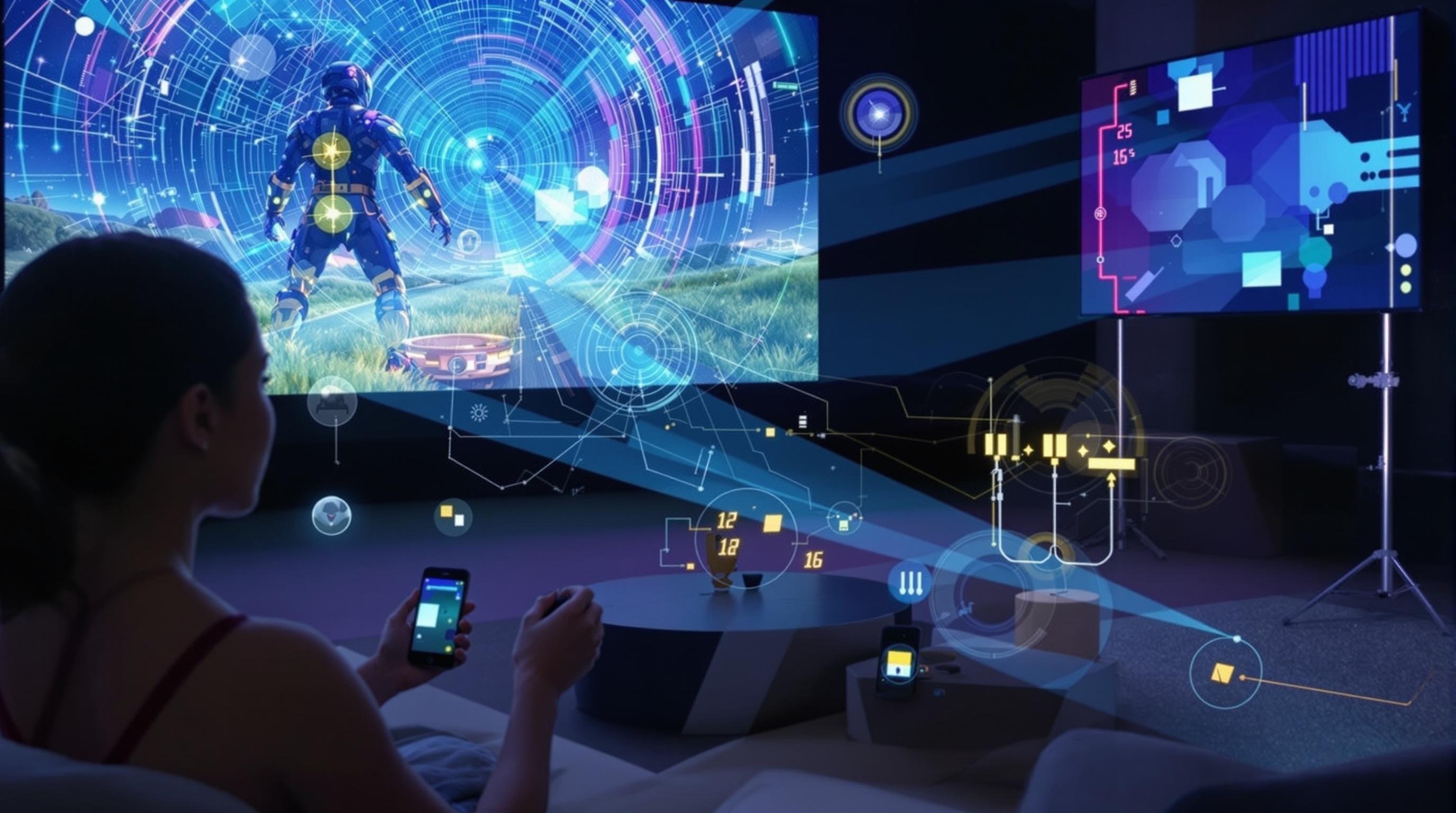
10 Wireless Innovations Enhancing Multisensory Experiences in Entertainment: Beyond Sight and Sound into New Realms
10 Wireless Innovations Enhancing Multisensory Experiences in Entertainment: Beyond Sight and Sound into New Realms
10 Wireless Innovations Enhancing Multisensory Experiences in Entertainment: Beyond Sight and Sound into New Realms
1. Haptic Feedback Technology
Haptic feedback technology has made significant strides, allowing users to experience tactile sensations in tandem with visual and auditory stimuli. This innovation is particularly prevalent in gaming, where players can feel the vibrations, impacts, and movements of virtual environments. Companies like Sony have integrated this technology into their DualSense controllers, creating a more immersive gaming experience.
Beyond gaming, haptic technology is finding applications in virtual reality experiences, helping users feel textures and physical interactions within various simulations. With advancements in wireless connectivity, such as 5G, the responsiveness and fidelity of haptic feedback have improved dramatically, enhancing the overall sensory engagement.
As developers continue to explore the potential of haptic feedback, we are likely to see new forms of storytelling that appeal to touch, creating experiences that resonate on a deeper emotional level.
2. Smell-o-Vision
While often considered futuristic, smell-o-vision is becoming a reality thanks to wireless innovations. By integrating scent technology into entertainment systems, producers can now add olfactory layers to films, games, and virtual experiences. Companies like oNotes are pioneering scent delivery systems that sync with visual and auditory components to create a multi-sensory experience.
This technology involves a specialized device that releases specific scents at predetermined times, allowing audiences to ‘smell’ what they see on the screen. The potential applications are vast: imagine feeling the warmth of a sunny beach not just through visuals and sounds, but also by smelling the ocean breeze and sunblock.
As smell-o-vision continues to develop, it may redefine how we interact with narratives, potentially engaging audiences in groundbreaking ways by evoking memories and emotions tied to scent.
3. Spatial Audio
Spatial audio is transforming sound design by creating a three-dimensional soundscape that immerses listeners in their environment. Unlike traditional surround sound, spatial audio uses advanced algorithms and wireless technology, such as Bluetooth and Wi-Fi, to simulate sound coming from various directions, deepening the sense of realism in entertainment.
This technology is increasingly used in immersive video experiences and gaming, enhancing player engagement by allowing them to hear enemies approaching from different angles or subtle background sounds that enrich the narrative.
The rise of spatial audio in streaming platforms, such as Apple Music and Netflix, indicates a significant shift in audio experiences that prioritize immersion and spatial awareness, enhancing the multisensory quality of media consumption.
4. Wireless VR and AR Devices
Virtual reality (VR) and augmented reality (AR) devices have moved toward wireless functionality, enabling freer movement and interaction in digital landscapes. Innovations like the Meta Quest allow users to engage with a 360-degree environment without being tethered to a computer, resulting in more natural experiences.
Wireless AR devices, like the Microsoft HoloLens, combine physical and digital realities, allowing users to overlay digital information onto their real-world surroundings. This technology not only enhances gameplay and entertainment but also has practical applications in education and training.
The future looks promising as companies invest resources in improving battery life, reducing latency, and enhancing visual fidelity in wireless VR and AR devices, promising experiences that blend the physical and digital worlds seamlessly.
5. Advanced Wearable Tech
Wearable technology is revolutionizing the way we experience entertainment by offering multisensory insights into our emotional and physiological reactions. Devices like smartwatches and fitness trackers now monitor heart rates and other biometrics, allowing for feedback integration in gaming and interactive experiences.
Developers can leverage this data to adapt game scenarios based on a player's adrenaline levels, creating more personalized and engaging experiences. For instance, games might automatically adjust difficulty or narrative based on the wearer’s heart rate response, enhancing immersion.
This fusion of wearables with entertainment not only enriches gameplay but also paves the way for new creative avenues in storytelling, evolving narratives that adapt in real-time to audience engagement.
6. 360-Degree Live Streaming
360-degree live streaming provides a panoramic view of events, transporting audiences into the action no matter where they are in the world. This technology relies on an array of wireless cameras that capture all angles simultaneously, creating a dynamic and immersive viewing experience.
Sports events, concerts, and special events have embraced 360-degree streaming, allowing viewers to control their perspective and feel as if they are part of the live event. Brands have utilized this technology to create innovative marketing campaigns, giving consumers a unique vantage point.
As bandwidth and streaming technology continue to improve, 360-degree live streaming is set to redefine access to live entertainment, democratizing experiences that were once reserved for those in physical attendance.
7. Gesture-Controlled Interfaces
Gesture-controlled interfaces allow users to interact with content without traditional input devices. By utilizing advanced sensors and motion detection, these systems can track hand and body movements, enabling users to control entertainment systems or games through physical gestures.
This technology not only simplifies navigation but also adds a layer of interaction that engages users on a physical level. For instance, games that require players to swing their arms or dance have become increasingly popular, merging fitness with entertainment.
The wireless nature of these interfaces fosters a seamless and intuitive user experience, encouraging more active participation in entertainment, breaking down barriers between the audience and the content.
8. Digital Twins and AI-Enhanced Personalization
Digital twins, or virtual representations of individuals, combined with artificial intelligence, are transforming personalization in entertainment. By analyzing user data, systems can create tailored experiences that take into account preferences, behaviors, and even emotional responses.
This technology is particularly popular in gaming, where AI-driven systems adapt narratives and engagements based on player choices and reactions. The wireless nature of data sharing ensures continues evolution of the experience, reflecting users’ changing preferences in real-time.
As data analytics continue to evolve, the ability of digital twins to provide authentic and personalized experiences will redefine audience engagement, enabling entertainment to become more immersive and relevant.
9. Remote Collaborative Experiences
Advancements in wireless technology foster remote collaborative experiences, allowing individuals to engage in entertainment activities virtually. Platforms like Jackbox Games and various VR spaces facilitate collective participation regardless of geographical barriers, blending social interaction with gameplay.
These innovations allow friends and family members to share experiences together, even when apart, creating a sense of community and togetherness. This integration of remote interaction expands the possibilities for multiplayer gaming, live performance, and collaborative creative projects.
The continued evolution toward remote collaboration signifies a shift in entertainment consumption, where collective experiences can occur beyond physical proximity, enhancing socialization in the digital age.
10. AI-Driven Content Creation
Artificial intelligence is transforming content creation in entertainment, enabling rapid and innovative production processes. With AI algorithms capable of generating music, visual art, and even scripts, creators can explore unique narratives stocked with multisensory elements.
This technology facilitates experimentation, allowing artists to merge sounds, visuals, and other sensory elements in real-time, enhancing the creative possibilities. AI-driven tools can analyze audience data to tailor content more effectively, leading to a meaningful interaction between the creator and the consumer.
As AI technology continues to advance, we can anticipate the rise of more immersive and integrated multisensory entertainment experiences that are personalized and dynamically responsive to the audience's preferences.
Read More