Related Articles
- Uncharted Frequencies: The Surprising Role of Subcultures in Shaping Global Digital Landscapes
- Wired Whims: The Unexpected Role of Niche Online Communities in Shaping Global Digital Trends
- Fragmented Signals: Exploring the Shadows of Digital Divide in Emerging Economies and Its Impact on Global Unity
- Decoding the Invisible: How Microbial Communication Could Revolutionize Digital Interactions
- Cryptic Channels: How Encrypted Messaging Platforms Are Reshaping Trust and Transparency in Online Interactions
- Mysterious Modes: The Rise of Cryptographic Channels in Secret Online Dialogues and Their Hidden Impacts
6 Radical Platforms: How Drones and Aerial Devices Are Redefining Spatial Communication and Interaction in 2024
6 Radical Platforms: How Drones and Aerial Devices Are Redefining Spatial Communication and Interaction in 2024
6 Radical Platforms: How Drones and Aerial Devices Are Redefining Spatial Communication and Interaction in 2024
1. The Ascent of Drone Delivery Services
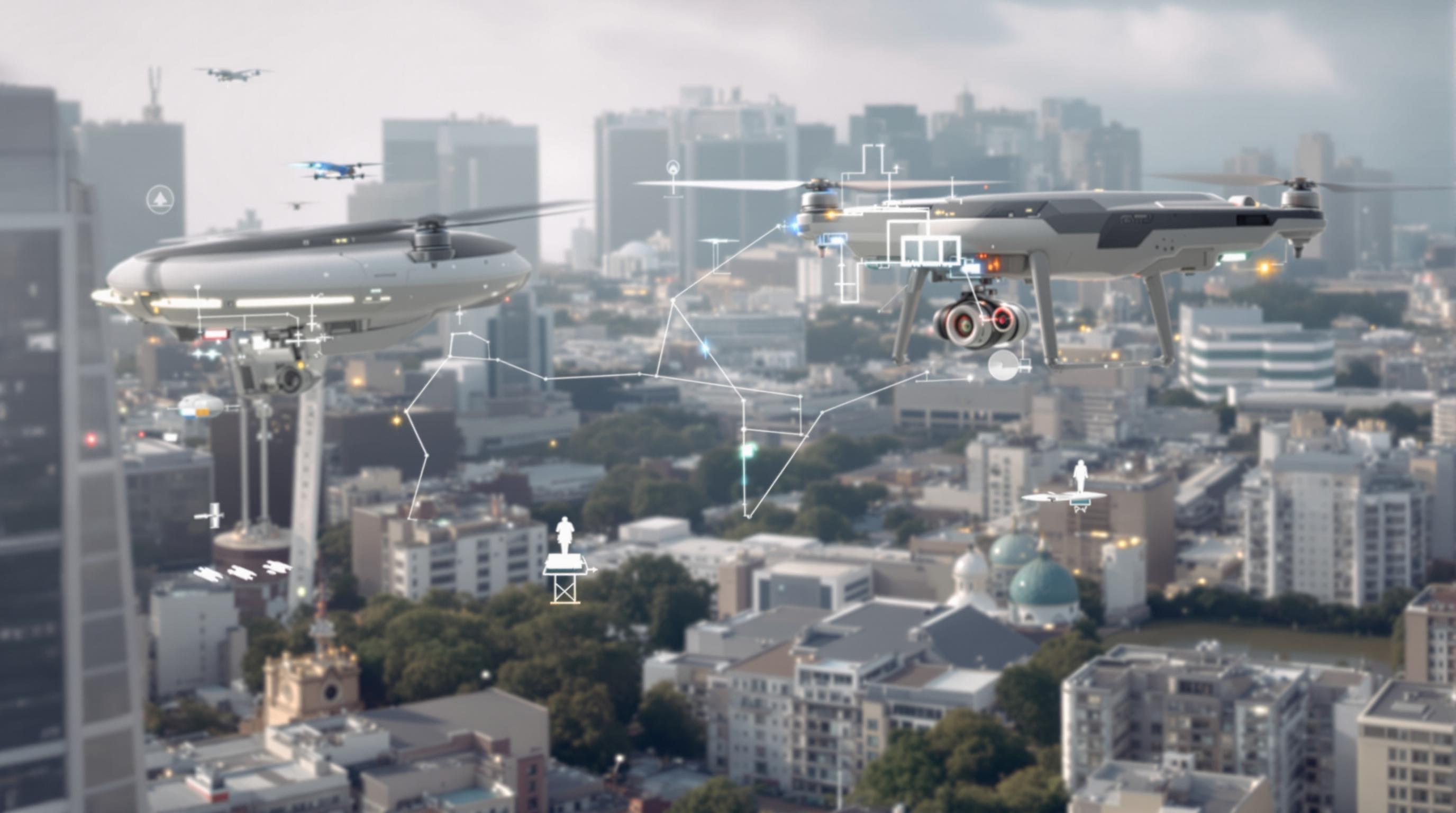
In 2024, the operational landscape for drone delivery services reached new heights. Major companies like Amazon and Google have expanded their fleets, deploying drones that can navigate complex urban environments with remarkable precision. These aerial devices now deliver everything from groceries to pharmaceuticals, slashing delivery times and reducing carbon footprints in the process. The integration of advanced AI algorithms ensures that drones can make real-time decisions, navigating not just through airspace but around obstacles and unpredictable weather patterns.
This radical shift has not only revolutionized logistics but has also sparked debates about airspace regulation and public safety. Cities across the globe are now grappling with how to balance innovation with the potential disruptions caused by increased drone traffic. Local governments are writing new ordinances and collaborating with tech companies to create designated aerial highways to mitigate potential hazards, showcasing how urban planning is adapting to the new aerial age.
As drone deliveries become commonplace, they are fostering a new economy of immediacy. Startups are emerging to capitalize on this opportunity, offering innovative delivery solutions tailored to niche markets. Food delivery ensures that your sushi arrives as fresh as it left the restaurant, while medical drones deliver critical supplies faster than traditional ambulances. The value of immediacy is reshaping consumer expectations, creating a unique intersection between technology and desire.
2. Drones in Disaster Response
Another domain where drones are making a profound impact is disaster response. In 2024, the utilization of aerial devices in emergency situations has become increasingly sophisticated. Drones equipped with thermal imaging and high-resolution cameras are deployed in disaster-stricken areas, providing real-time data and situational awareness to first responders. This capability allows teams to locate victims trapped under rubble or stranded in isolated areas much quicker than traditional methods.
Moreover, drones facilitate the delivery of essential supplies during natural disasters. A partnership between humanitarian organizations and tech firms has led to innovative solutions that provide immediate relief in affected areas. Drones can drop food, water, and medical supplies with pinpoint accuracy, mitigating the impact of logistical challenges in disaster zones. This practice is saving lives and making response efforts far more efficient and effective.
However, this rapid integration of drone technology into disaster response has raised ethical questions surrounding privacy and surveillance. The ability to capture extensive imagery and data has put new scrutiny on how these devices are monitored and controlled. The challenge for agencies is to harness the benefits without infringing on personal freedoms and privacy rights, prompting discussions about regulatory frameworks to ensure responsible use while maximizing efficacy.
3. Aerial Art Installations: Redefining Public Spaces
In 2024, artists and technologists are collaborating to create drone-based art installations that transform public spaces into interactive canvases. The use of drones equipped with lights and speakers has given rise to mesmerizing aerial displays that blend creativity with technology. These installations not only attract crowds but also foster community engagement, allowing spectators to interact with the art in ways previously unimaginable.
These aerial art shows push the boundaries of traditional art forms, utilizing the aerial perspective to shift how we perceive and appreciate artistic expression. Through coordinated movements, drones can create stunning visual narratives in the sky, captivating audiences with a blend of storytelling and technology. This fusion redefines public interaction with art, taking the experiences beyond mere observation to active participation.
The rise of aerial installations raises new questions about ownership and rights within digital artistry. Legislation surrounding intellectual property is evolving to account for these advancements, as the unique nature of drone-based art presents challenges not faced by traditional artists. The conversation surrounding these developments is rapidly changing the landscape of art in public spaces, making it more inclusive and interdisciplinary.
4. Drones in Environmental Monitoring
Environmental monitoring has witnessed a significant boost due to the deployment of drones. In 2024, researchers and conservationists are leveraging drone technology to gather data on ecosystems, climate change, and wildlife movements more efficiently than ever before. Equipped with multispectral sensors, drones can monitor plant health, track deforestation, and measure pollution levels with unparalleled accuracy.
The ability to collect vast amounts of data remotely allows scientists to conduct research over large areas without the need for invasive methods, offering a non-disruptive way to gather crucial information. This has implications for conservation efforts, as drones can assist in tracking endangered species or monitoring the health of sensitive ecosystems. Real-time data acquisition could play a vital role in developing timely and effective response plans for environmental challenges.
On the flipside, the increased presence of drones in natural habitats raises concerns about their impact on wildlife. The balance between data collection and conservation must be handled carefully. As new regulations are set to manage drone usage in sensitive areas, it sparks a wider conversation about responsible tech use in environmental science, ensuring that innovation does not come at the cost of ecological integrity.
5. Drones and Real Estate: A New Perspective on Property Viewing
The real estate industry has experienced a seismic shift in 2024, with drone technology offering prospective buyers new, dynamic ways to view properties. Aerial footage and live streaming capabilities have transitioned from being high-end marketing tools to commonplace features in property listings. Potential buyers can now get an above-ground view of the property, assessing not only the structure itself but also the surrounding environment.
This aerial perspective provides insights that traditional photographic methods simply cannot match. Real estate agents are leveraging drone technology to highlight neighborhood amenities, proximity to essential services, and even the landscapes surrounding properties. This has created a more immersive experience for buyers, allowing them to inform decisions with a broader understanding of both the property and the community.
However, the increasing reliance on drones for property viewing has implications for privacy concerns among homeowners. With aerial photography capturing more than just the property in question, there’s a growing discourse about what constitutes reasonable boundaries in real estate marketing. The challenge lies in balancing innovation in marketing while ensuring that personal privacy is respected, depicting the need for new ethical standards in the industry.
6. Aerial Robotics in Agriculture
The agricultural sector has become a frontline for drone innovation, leading the charge in 2024 with the adoption of aerial robots to monitor and manage crops. Equipped with advanced imaging technology, these drones provide farmers with valuable data about soil health, crop yields, and pest infestations. This adoption of precision agriculture is revolutionizing how farmers approach cultivation and resource management.
Drones can assess large swathes of farmland quickly, identifying areas that require water, nutrients, or pesticide application. This not only reduces waste but also maximizes harvest efficiency, leading to enhanced profitability for farmers. As agriculture faces the dual challenges of climate change and food security, drone technology holds the potential to streamline operations and improve sustainability practices.
7. Drones as Tools for Journalism
The world of journalism has experienced an upheaval thanks to drone technology. In 2024, aerial reporting is gaining traction, allowing journalists to capture captivating footage and gather information that ground-level reporting simply cannot provide. From natural disasters to protests, drones provide a unique lens that enhances storytelling, providing context and visuals that inform and engage audiences.
Moreover, drones are assisting investigative journalists in gathering data critical for their stories. Utilizing drones to expose environmental crimes or document urban developments enhances transparency and accountability in reporting. As mainstream media outlets adopt this technology, they can offer richer narratives, utilizing aerial perspectives to amplify their storytelling capabilities.
8. Regulation and the Future of Drones
As drone technology becomes increasingly embedded in various sectors, the need for comprehensive regulation has never been more pressing. The landscape of drone usage in 2024 is characterized by ongoing debates among policymakers, technology advocates, and civil liberties organizations. Laws governing drone operations, traffic management, and airspace usage are evolving rapidly to accommodate the burgeoning industry.
Regulatory frameworks are essential for ensuring that drone usage remains safe and beneficial for society. Governments worldwide are enacting policies that require registration of drones, pilot certification, and adherence to strict operational guidelines. As a result, the emphasis on public safety and privacy is becoming central to the conversation surrounding the future of aerial devices.
9. Drones and Urban Planning
Drones are making a mark in urban planning and development, serving as essential tools for city planners and architects. In 2024, drones are utilized not just for surveying land, but also for visualizing future urban spaces. These devices can create 3D models by capturing vast quantities of geospatial data, enhancing the planning and design process significantly.
By employing drone technology, urban planners can better visualize proposed developments in context with existing infrastructures. This ability to showcase potential urban changes fosters transparent conversations with stakeholders and communities that will be impacted by these decisions. Engaging the public through aerial insights can garner support for developments and help mitigate opposition by providing clear visual information.
10. The Future of Drones in Daily Life
The landscape of daily life in 2024 is being nabbed by the all-encompassing reach of drone technology. From personal shopping for groceries to aerial photography on weekends, drones are becoming commonplace in everyday routines. This shift represents a fascinating evolution of how we interact with technology in practical domains.
The integration of drones into daily life presents exciting opportunities for both convenience and community engagement. As drone technology becomes more accessible, various sectors from healthcare to entertainment are reimagining how products and services are delivered. The unpredictability of user creativity continues to foster innovations that challenge traditional norms and routines.
Read More