Related Articles
- Uncharted Frequencies: The Surprising Role of Subcultures in Shaping Global Digital Landscapes
- Wired Whims: The Unexpected Role of Niche Online Communities in Shaping Global Digital Trends
- Fragmented Signals: Exploring the Shadows of Digital Divide in Emerging Economies and Its Impact on Global Unity
- Decoding the Invisible: How Microbial Communication Could Revolutionize Digital Interactions
- Cryptic Channels: How Encrypted Messaging Platforms Are Reshaping Trust and Transparency in Online Interactions
- Mysterious Modes: The Rise of Cryptographic Channels in Secret Online Dialogues and Their Hidden Impacts
9 Game-Changing Wireless Innovations Transforming Urban Transportation: Navigating the Future of Smart Mobility
9 Game-Changing Wireless Innovations Transforming Urban Transportation: Navigating the Future of Smart Mobility
9 Game-Changing Wireless Innovations Transforming Urban Transportation: Navigating the Future of Smart Mobility
Introduction to Smart Mobility
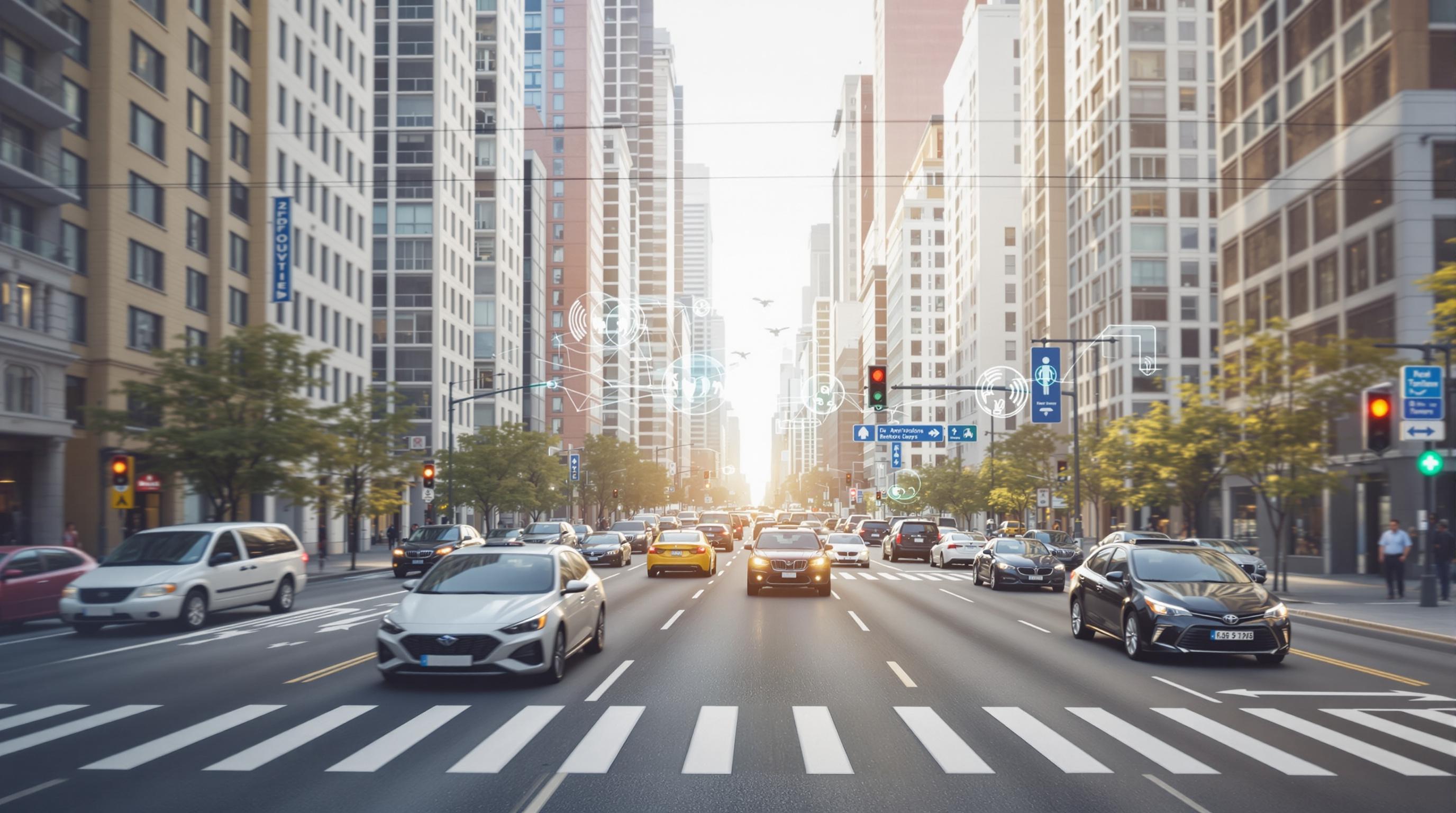
The concept of smart mobility is reshaping urban transportation, focusing on connectivity and efficiency. As cities grapple with increased population density and traffic congestion, the integration of wireless technologies is becoming crucial. These innovations promise to enhance not only the convenience of city travel but also its sustainability.
Urban areas are increasingly looking toward solutions that provide seamless connectivity between various transportation modes. This means utilizing data and communication technologies to create a user-friendly travel experience. By leveraging wireless innovations, cities aim to reduce congestion and improve overall accessibility.
In this article, we will explore nine groundbreaking wireless innovations that are redefining urban transportation and paving the way for a smarter future in mobility.
1. 5G Connectivity for Real-Time Data
The rollout of 5G technology is revolutionizing urban transportation by enabling high-speed data transfer. This connectivity allows vehicles to communicate with each other and their surroundings, significantly improving safety and efficiency. Real-time data can help drivers make informed decisions, enhancing traffic flow and reducing travel times.
5G networks support vehicle-to-everything (V2X) communication, which plays a significant role in developing smart traffic management systems. These systems can adapt to changing traffic conditions, providing dynamic routing options for drivers and public transport systems alike. As a result, 5G is laying the foundation for advanced urban mobility solutions.
Additionally, with the proliferation of Internet of Things (IoT) devices, the potential for smart sensors and connected infrastructure becomes more significant, creating a cohesive urban transportation ecosystem. Connecting vehicles, pedestrians, and city infrastructure is crucial for fostering a safer driving environment.
2. Autonomous Vehicles and Wireless Tech
Autonomous vehicles (AVs) are at the forefront of transportation innovations. These vehicles rely heavily on wireless communication to process data from numerous sensors and make decisions in real-time. The integration of advanced wireless networks is essential for ensuring that AVs can communicate effectively and operate safely in urban environments.
Moreover, the development of dedicated short-range communications (DSRC) facilitates secure and reliable communication between AVs and infrastructure. Such capabilities enhance traffic management systems, enabling a more synchronized urban traffic flow. By using wireless innovations, AVs can function more efficiently and minimize delays.
As the technology progresses, regulatory frameworks are being designed to accommodate the growing presence of autonomous vehicles in urban settings. This shift poses both challenges and opportunities; embracing wireless advancements could lead to smarter, safer, and more efficient cities.
3. Smart Traffic Signals
Modern cities are increasingly incorporating smart traffic signals that leverage wireless technology to optimize traffic flow. These signals can adapt in real-time based on traffic conditions, ensuring smoother transitions and reducing the likelihood of congestion. Through sensors and data analytics, the signals can prioritize public transportation and emergency vehicles.
By utilizing wireless networks, smart traffic signals can communicate with connected vehicles, providing timely information about traffic light changes. This communication helps drivers plan their journeys better, contributing to overall travel efficiency. The benefits extend beyond mere convenience; improved traffic management can lead to lower emissions and a smaller urban carbon footprint.
In addition to enhancing traffic flow, these systems can collect data to analyze traffic patterns over time. Cities can use this information to make informed decisions about infrastructure investments and urban planning, ultimately resulting in better mobility solutions.
4. Wireless Electric Vehicle Charging
Wireless electric vehicle (EV) charging represents a significant innovation in urban transportation. By eliminating the need for physical connections, this technology facilitates a more user-friendly experience for drivers. EVs equipped with wireless charging capabilities can recharge while parked or even while in motion, vastly increasing the feasibility of electric transportation.
Implementing wireless charging infrastructure throughout urban areas can encourage EV adoption, mitigate range anxiety, and promote sustainable driving habits. It ensures that charging can be easily integrated into daily activities without requiring dedicated charging stations.
With cities looking to reduce greenhouse gas emissions, expanded wireless charging options can support the transition to cleaner transportation modes. As technology advances and costs decrease, we may see a significant shift towards electrification in urban transport.
5. Smart Public Transportation Systems
Smart public transportation systems are becoming a critical component of urban mobility, utilizing wireless technologies to enhance efficiency and user experience. These systems incorporate real-time data, allowing passengers to track vehicle arrivals and departures accurately. By leveraging mobile apps, users can receive timely updates and plan their journeys better.
Moreover, smart transit solutions can adjust schedules and routes based on demand, optimizing resource allocation in a dynamic urban environment. This adaptability can lead to increased ridership and reduced waiting times, making public transportation a more attractive option.
Furthermore, data collected from these smart systems can provide valuable insights for urban planners and decision-makers, culminating in improved infrastructure development and policy implementation. Smart public transit ultimately supports the evolution towards sustainable urban mobility.
6. Connected Bike and Scooter Share Programs
As cities aim to promote sustainable transport options, connected bike and scooter share programs are gaining traction. These programs utilize wireless technology to offer effortless rentals and returns via mobile apps. Users can locate, unlock, and pay for shared mobility solutions right from their smartphones, contributing to user convenience.
Furthermore, these systems can gather data on usage patterns and demand hotspots to improve fleet management. Understanding how and when users prefer to rent bikes or scooters allows operators to make informed decisions about fleet distribution and maintenance.
Additionally, integrating these share programs with other modes of transportation creates a cohesive transportation network. By fostering seamless transitions between bicycle, scooter, and public transport, cities can reduce dependency on cars, thereby alleviating traffic congestion and emissions.
7. Location-Based Services
Location-based services (LBS) have transformed how people navigate urban environments. By leveraging GPS and wireless networks, these services provide real-time navigation, personalized recommendations, and updates that contribute to a seamless travel experience. Users can receive alerts about construction, accidents, or public transport delays based on their current locations.
The use of LBS can also enhance safety, as commuters can share their routes with friends or family. In the event of an emergency, location tracking provides essential data for responders. This service plays a pivotal role in ensuring safety and security in urban mobility.
As urban planners incorporate LBS into transportation systems, cities can expect improved efficiency and outreach, particularly for vulnerable populations like the elderly or disabled. LBS transforms urban navigation into a tailored, inclusive endeavor, making mobility accessible for all.
8. Crowd Management Technologies
Crowd management technologies leverage wireless communication to aid in the efficient movement of people in urban spaces, particularly during events or peak hours. Utilizing data analytics and real-time monitoring, these technologies can identify high-density areas and suggest alternative routes or modes of transportation.
By employing wireless networks, cities can dynamically manage crowded situations, enhancing both safety and convenience. For instance, public transport systems can adjust schedules based on crowd flow, and pedestrian walkways can be redirected to prevent bottlenecks.
Moreover, crowd management technologies can benefit urban planners, who can analyze data to inform future infrastructure developments. By understanding crowd behaviors, cities can create transportation networks that prioritize safety and accessibility.
9. Integrated Payment Solutions
Integrated payment solutions are streamlining the way urban residents pay for transit services. By utilizing wireless technology, transit agencies are moving towards contactless payments through mobile wallets and smart cards, making transactions more efficient. This innovation encourages public transport usage, as it reduces the hassle associated with cash or card systems.
Moreover, integrated payment systems can function across various transportation modes, enabling seamless transitions from buses to trains to bike shares. This uniformity fosters a more user-friendly experience, motivating commuters to switch from private vehicles to public transit or shared mobility options.
As cities invest in integrated payment infrastructure, the potential for mobility-as-a-service (MaaS) becomes increasingly viable. This concept envisions a fully connected urban mobility ecosystem where users can plan, book, and pay for all modes of transportation through a single platform.
Conclusion: The Future of Smart Mobility
The integration of wireless innovations in urban transportation is creating a paradigm shift in how cities navigate mobility challenges. As these technologies continue to evolve, they will play a pivotal role in promoting sustainability, reducing congestion, and enhancing the overall commuter experience. The importance of collaboration between public and private sectors cannot be overstated.
As cities implement these advancements, they will need to consider equity and accessibility, ensuring that all residents can participate in the benefits of smart mobility. The future of urban transportation lies not only in innovation but also in equitable access for all.
By understanding and embracing these wireless technologies, urban planners, policymakers, and residents can collectively work towards a sustainable and efficient transportation future.
Read More