
Related Articles
- Uncharted Frequencies: The Surprising Role of Subcultures in Shaping Global Digital Landscapes
- Wired Whims: The Unexpected Role of Niche Online Communities in Shaping Global Digital Trends
- Fragmented Signals: Exploring the Shadows of Digital Divide in Emerging Economies and Its Impact on Global Unity
- Decoding the Invisible: How Microbial Communication Could Revolutionize Digital Interactions
- Cryptic Channels: How Encrypted Messaging Platforms Are Reshaping Trust and Transparency in Online Interactions
- Mysterious Modes: The Rise of Cryptographic Channels in Secret Online Dialogues and Their Hidden Impacts
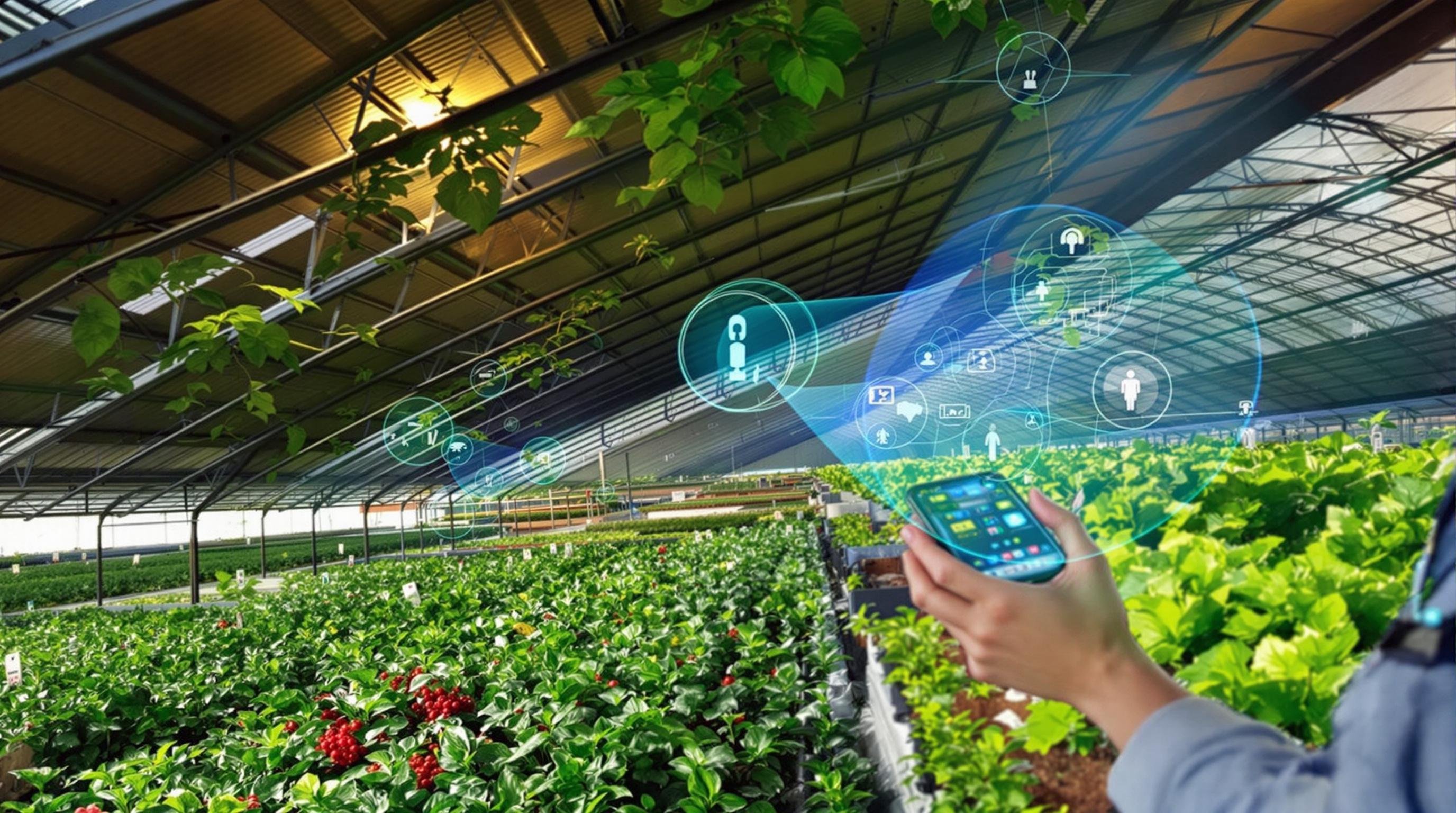
6 Wireless Innovations Shaping Future Food Systems: Enhancing Agriculture Through Smart Connectivity Solutions
6 Wireless Innovations Shaping Future Food Systems: Enhancing Agriculture Through Smart Connectivity Solutions
6 Wireless Innovations Shaping Future Food Systems: Enhancing Agriculture Through Smart Connectivity Solutions
1. Introduction to Smart Agriculture
As the global population continues to rise, so does the demand for sustainable food systems that can efficiently meet this growing need. Innovations in smart agriculture, facilitated by wireless technology, are helping to transform traditional farming into a more connected and intelligent system.
These advancements not only aim to increase crop yields and food quality but also enhance resource management, reduce environmental impact, and improve overall farm profitability. With the rise of the Internet of Things (IoT), farmers are now able to utilize data-driven insights in their day-to-day operations.
In this article, we will explore six key wireless innovations that are reshaping food production and distribution, allowing agriculture to evolve sustainably in harmony with the world's increasing demands.
2. Precision Agriculture via IoT
Precision agriculture is being revolutionized through IoT connectivity, enabling farmers to collect and analyze data from crops in real-time. Using sensors placed throughout fields, farmers can monitor soil conditions, water needs, and crop health remotely, making quick and informed decisions.
With wearable technologies and drones equipped with cameras, farmers can gain aerial insights into crop conditions. This wealth of information allows them to apply inputs like water and fertilizer more efficiently, reducing waste and costs. According to a study by McKinsey, precision agriculture technologies could potentially increase yields by 10 to 20%.
In essence, IoT enables a tailored approach to farming that can significantly enhance productivity while minimizing environmental impacts.
3. Remote Monitoring and Management
Remote monitoring systems are an extension of smart farming, providing farmers the ability to oversee their operations from virtually anywhere. With mobile applications connected to farm equipment and sensors, they can track activities, machinery performance, and environmental conditions in real-time.
These systems can alert farmers to potential problems, such as equipment malfunctions or adverse weather conditions, allowing for timely interventions to mitigate losses. Tools such as Climate FieldView offer farmers integrated options for monitoring and adapting to changing conditions, ultimately enhancing resilience.
The shift to remote management not only saves time but also empowers farmers by putting data and insights directly in their hands, promoting more efficient agricultural practices.
4. Smart Irrigation Systems
Irrigation is a pivotal aspect of agriculture, and recent innovations in wireless technology have led to the development of smart irrigation systems. These systems leverage sensors to monitor moisture levels in the soil and automatically adjust water supply accordingly.
By reducing water waste, these smart systems ensure optimal water usage and can help combat the increasing variability of rainfall due to climate change. In areas where water scarcity is a concern, smart irrigation technologies are not just beneficial—they are essential.
Studies indicate that farmers can achieve water savings of up to 50% by utilizing smart irrigation solutions, translating to significant cost reductions and productivity improvements (Source: American Society of Agricultural and Biological Engineers).
5. Blockchain for Food Traceability
Blockchain technology offers unprecedented solutions for food traceability, ensuring that every step of the food supply chain is transparent and verifiable. This traceability is crucial for enhancing food safety and quality, as consumers increasingly demand to know where their food comes from.
With wireless networks facilitating real-time data sharing, stakeholders can track products from farm to table. This level of transparency not only builds consumer trust but also enables quicker responses to food safety issues.
The integration of blockchain in food systems could enhance accountability and efficiency, promising safer food supply chains in the future, as supported by a report from the FDA.
6. Autonomous Farming Equipment
The advent of autonomous farming equipment, such as self-driving tractors and robotic harvesters, is transforming the agriculture landscape. These systems rely on a combination of GPS technology and wireless communication to operate efficiently.
Farmers can maximize efficiency with autonomous equipment, allowing them to cover larger areas in shorter timeframes while minimizing labor costs. As these machines operate continuously and learn from their environment, they can make real-time adjustments to improve productivity and crop quality.
By embracing autonomy, farmers can not only enhance operational capability but also redirect their valuable time towards strategic decision-making within their businesses.
7. Data-Driven Decision Making
The role of data analytics in food systems cannot be overstated, as it empowers farmers to make informed decisions based on real-time insights. With advancements in wireless technologies, farmers can gather and analyze vast amounts of data concerning weather patterns, market demands, and soil health.
Through platforms that aggregate diverse data sources, farmers can adjust their planting strategies, manage resources better, and forecast market trends more accurately. Companies like IBM and Microsoft are leading the charge in offering cloud-based agricultural solutions that harness this data.
The shift toward data-driven farming enhances operational efficiency and responsiveness, opening up new opportunities for innovation within the agricultural sector.
8. Enhanced Supply Chain Management
Smart connectivity solutions are also facilitating new efficiencies in food supply chains. Enhanced supply chain management through real-time tracking systems allows stakeholders to monitor product status, location, and freshness throughout the journey from farm to market.
Wireless tools, such as GPS tracking and RFID tags, improve operational performance by minimizing delays and preventing spoilage during transport. The ability to track products in real-time can enhance coordination between producers, distributors, and retailers, leading to improved market responsiveness.
By streamlining the supply chain, these innovations not only increase stakeholder collaboration but also reduce overall food waste, supporting sustainability initiatives globally.
9. Educating the Next Generation of Farmers
As the agricultural landscape evolves, so too does the need for education and training for future generations of farmers. Educational programs are now incorporating wireless technologies into their curriculums, allowing students to familiarize themselves with cutting-edge agricultural tools.
Through hands-on experiences with IoT devices and smart farming practices, young farmers can understand the benefits of digital agriculture. This knowledge transfer is essential for preparing them to navigate the future of farming effectively.
By embracing technology in educational settings, we are not only nurturing skilled workers but also encouraging innovative thinking and improved practices in sustainable agriculture.
10. Conclusion
The future of food systems is undoubtedly intertwined with wireless innovations that are enhancing agricultural practices. From precision agriculture to blockchain traceability and autonomous machines, these technologies promise to improve productivity, enhance efficiency, and promote sustainability in farming.
By harnessing these advancements, farmers can better meet global food demands while caring for the environment. As we continue to witness the evolution of agriculture, it becomes clear that connectivity is vital for nurturing the future of our food systems.
As stakeholders across the agricultural spectrum embrace these innovations, they stand on the precipice of a new era in farming that is defined by smart connectivity and creativity.
Read More