Related Articles
- Uncharted Frequencies: The Surprising Role of Subcultures in Shaping Global Digital Landscapes
- Wired Whims: The Unexpected Role of Niche Online Communities in Shaping Global Digital Trends
- Fragmented Signals: Exploring the Shadows of Digital Divide in Emerging Economies and Its Impact on Global Unity
- Decoding the Invisible: How Microbial Communication Could Revolutionize Digital Interactions
- Cryptic Channels: How Encrypted Messaging Platforms Are Reshaping Trust and Transparency in Online Interactions
- Mysterious Modes: The Rise of Cryptographic Channels in Secret Online Dialogues and Their Hidden Impacts
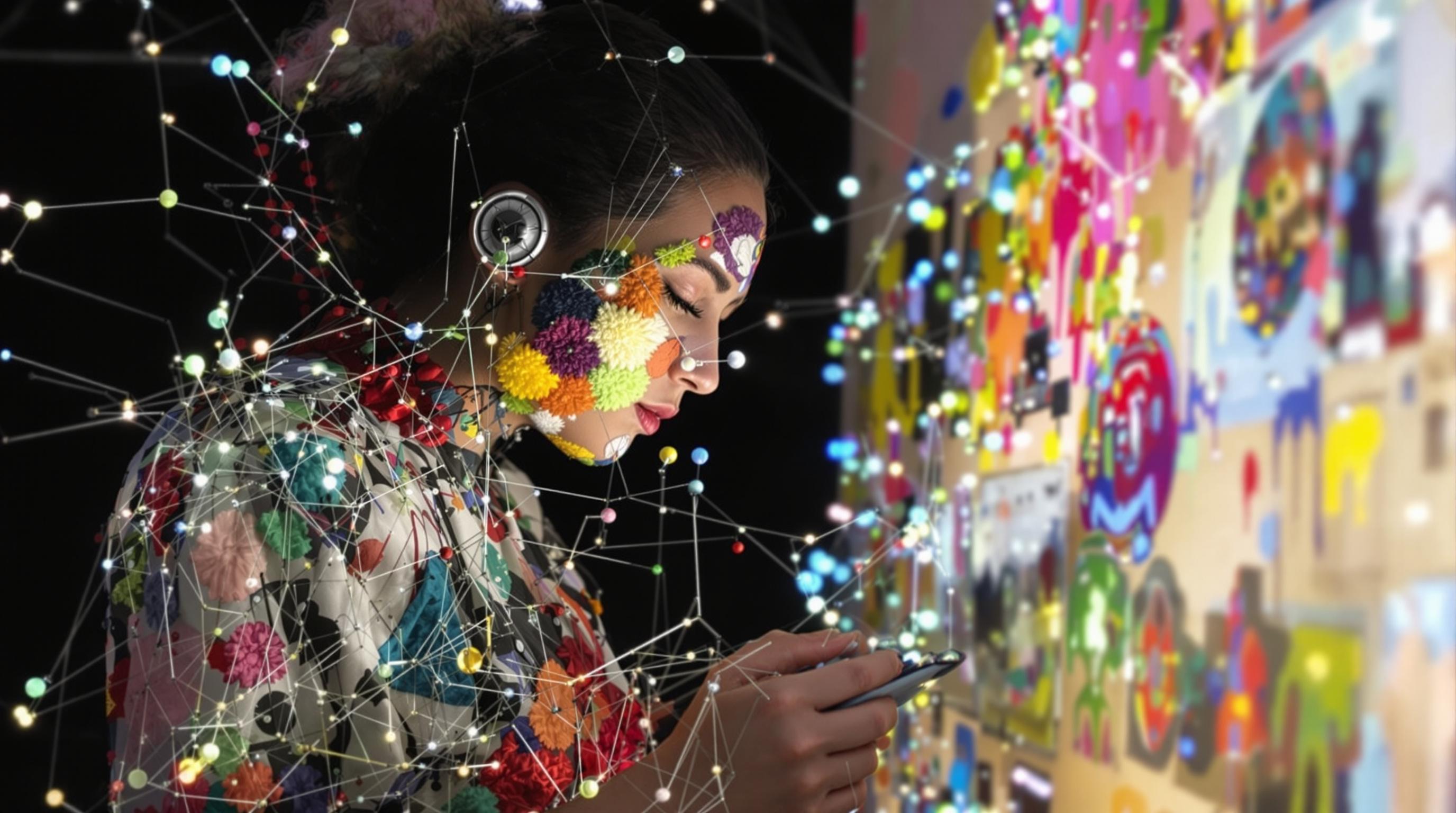
12 Surprising Wireless Innovations Shaping the Future of Digital Art and Creative Expression in a Connected World
12 Surprising Wireless Innovations Shaping the Future of Digital Art and Creative Expression in a Connected World
12 Surprising Wireless Innovations Shaping the Future of Digital Art and Creative Expression in a Connected World
1. Wireless VR Headsets
The advent of wireless virtual reality (VR) headsets has revolutionized the landscape of digital art. Artists can now immerse themselves in 3D environments without the constraints of traditional cables. This freedom allows for a more fluid creative process, enabling artists to explore their work in a manner that feels organic and intuitive.
Wireless VR technology, such as the Oculus Quest 2, has made it possible for creators to engage in collaborative projects from different corners of the globe. As artists craft in virtual spaces, they can invite others to join them in real-time, expanding the possibilities for interactive and participatory art.
In addition, with the rise of platforms specifically designed for VR art, like Tilt Brush, artists can create stunning pieces that blend imagination with technology, further pushing the boundaries of traditional artistic methodologies.
2. 5G Connectivity
The rollout of 5G technology is set to transform digital art and creative expression drastically. With its high-speed data transmission and low latency, 5G allows for complex, high-resolution images and videos to be shared seamlessly. Artists can leverage this rapid connectivity to showcase their work in new, more interactive formats.
For instance, exhibitions can be streamed live from remote locations, allowing global audiences to experience digital art simultaneously. As a result, artists who were once confined by geographical limitations can now reach wider audiences, cultivating a more connected and interactive global art community.
Moreover, 5G technology enables artists to integrate real-time data into their creations, resulting in art that reflects current events or social issues, providing a dynamic commentary that evolves with its context.
3. Augmented Reality (AR) Tools
Augmented Reality tools are rapidly changing the way digital art is created and experienced. By blending the physical and digital worlds, artists can layer digital information over real-life environments, offering viewers a unique perspective. Applications such as ARKit and ARCore allow smoother integration of digital images into everyday settings.
Artists can use AR to create interactive experiences where users engage with their work directly—be it through mobile devices or AR glasses. This interactivity blurs the line between creator and audience, inviting participants to become co-creators in the artistic experience.
For educational purposes, AR can also be employed as a powerful tool for teaching art history or techniques, making art more accessible to the public and fostering a greater appreciation for the craft.
4. Wireless Drawing Tablets
Wireless drawing tablets have emerged as essential tools for many digital artists, offering the convenience of mobility alongside advanced features. Artists can sketch, paint, and illustrate directly onto their tablets, taking advantage of pressure sensitivity and customizable settings without being tethered to a computer.
The introduction of models from brands like Wacom and Apple has given artists the freedom to work in diverse environments—be it a bustling café or a serene park—encouraging creativity to flourish in unorthodox spaces.
These tablets often come equipped with various apps that enhance artistic capabilities, integrating seamlessly with other wireless technologies, thus enabling artists to publish and share their work instantly.
5. Blockchain and Digital Ownership
Blockchain technology is gaining traction in the art world, enabling artists to create and sell digital works in a secure manner. With the rise of non-fungible tokens (NFTs), artists can tokenize their work, ensuring authenticity and ownership while also maintaining a direct connection with buyers.
This innovation allows for artists to earn royalties every time their work is resold, which was not possible in traditional art markets. Programs leveraging blockchain facilitate a transparent marketplace for artists, making it easier for them to establish their value and reach audiences interested in digital art.
Moreover, this decentralization caters to emerging artists, allowing them to circumvent traditional gatekeeping structures in the art world and engage directly with an audience eager for fresh voices.
6. Smart Wearable Art
Smart wearables represent an exciting fusion of technology and artistic expression. Artists are increasingly experimenting with clothing or accessories embedded with LED displays, allowing them to create art that evolves as the wearer moves or engages with the environment.
This kind of interactive and mobile art enhances the traditional canvas concept, showcasing art that responds to audience reactions or external stimuli. Designers like Anouk Wipprecht are employing this technology to challenge the boundaries of fashion and art, creating pieces that are not only aesthetically pleasing but also highly interactive.
The implications for performance art and live events are vast, as art can become a participatory experience that changes based on viewers' interactions, fostering a sense of community and engagement.
7. AI-Powered Creativity
Artificial intelligence is stepping into the realm of creativity by providing artists with innovative tools to enhance and inspire their work. Various platforms use AI algorithms to analyze existing art styles, assisting artists in the creation of new works that maintain a cohesive aesthetic.
AI can also generate unique visual compositions based on prompts, serving as an artistic collaborator rather than a replacement. This partnership opens discussions on authorship and creativity, as traditional notions of artistic originality are challenged by machine-generated art.
Furthermore, with tools like DeepArt and Artbreeder, artists can explore new horizons, experimenting with styles and concepts that may have previously remained untouched, thereby broadening the spectrum of artistic expression.
8. Collaborative Online Platforms
The rise of collaborative online platforms has fundamentally changed how artists share and build upon each other's work. Websites like Behance and Dribbble serve as communal spaces where individuals can showcase their projects, receive feedback, and collaborate on various creative endeavors.
These platforms foster an atmosphere of camaraderie, enabling artists to find inspiration from their peers, share techniques, and collectively push the boundaries of creativity. Such interactions are crucial in nurturing young talent, providing mentorship opportunities and networking that were once limited to in-person interactions.
As the global art community continues to flourish in digital spaces, the interplay between community and technology becomes increasingly vital in shaping contemporary art narratives.
9. 3D Printing and Digital Sculpture
3D printing technology is paving new paths for digital sculpture and design. Artists can create intricate models on their computers and bring them to life with a 3D printer, merging traditional sculpting techniques with the power of digital innovation.
This combination allows for unique experimentation, as artists can produce multiple iterations of a piece without the extensive resources required in conventional sculpture practices. The accessibility of 3D printing has democratized physical art-making, enabling more individuals to participate in sculptural practices.
The potential for integration with AR/VR technologies further enhances 3D printing, allowing artists to visualize their concepts in both digital and physical realms, fostering a new age of creativity in sculpture.
10. Wireless Lighting Technologies
Wireless lighting technologies are revolutionizing digital installations and interactive art exhibits. LED lights that can be controlled remotely open a new dimension in how artists can utilize light to enhance their projects, creating dynamic and immersive experiences in galleries and public spaces.
Artists are now able to synchronize light displays with sound and environmental cues, enabling them to craft complex narratives through their installations. This capability enables explorative audience engagements that are deeply engaging and unique for each event.
As lighting becomes an integral aspect of contemporary art, artists are using these innovations to challenge perceptions of space and form, illustrating how technology can enhance storytelling and enrich the viewers' experience.
Read More