
Related Articles
- Uncharted Frequencies: The Surprising Role of Subcultures in Shaping Global Digital Landscapes
- Wired Whims: The Unexpected Role of Niche Online Communities in Shaping Global Digital Trends
- Fragmented Signals: Exploring the Shadows of Digital Divide in Emerging Economies and Its Impact on Global Unity
- Decoding the Invisible: How Microbial Communication Could Revolutionize Digital Interactions
- Cryptic Channels: How Encrypted Messaging Platforms Are Reshaping Trust and Transparency in Online Interactions
- Mysterious Modes: The Rise of Cryptographic Channels in Secret Online Dialogues and Their Hidden Impacts
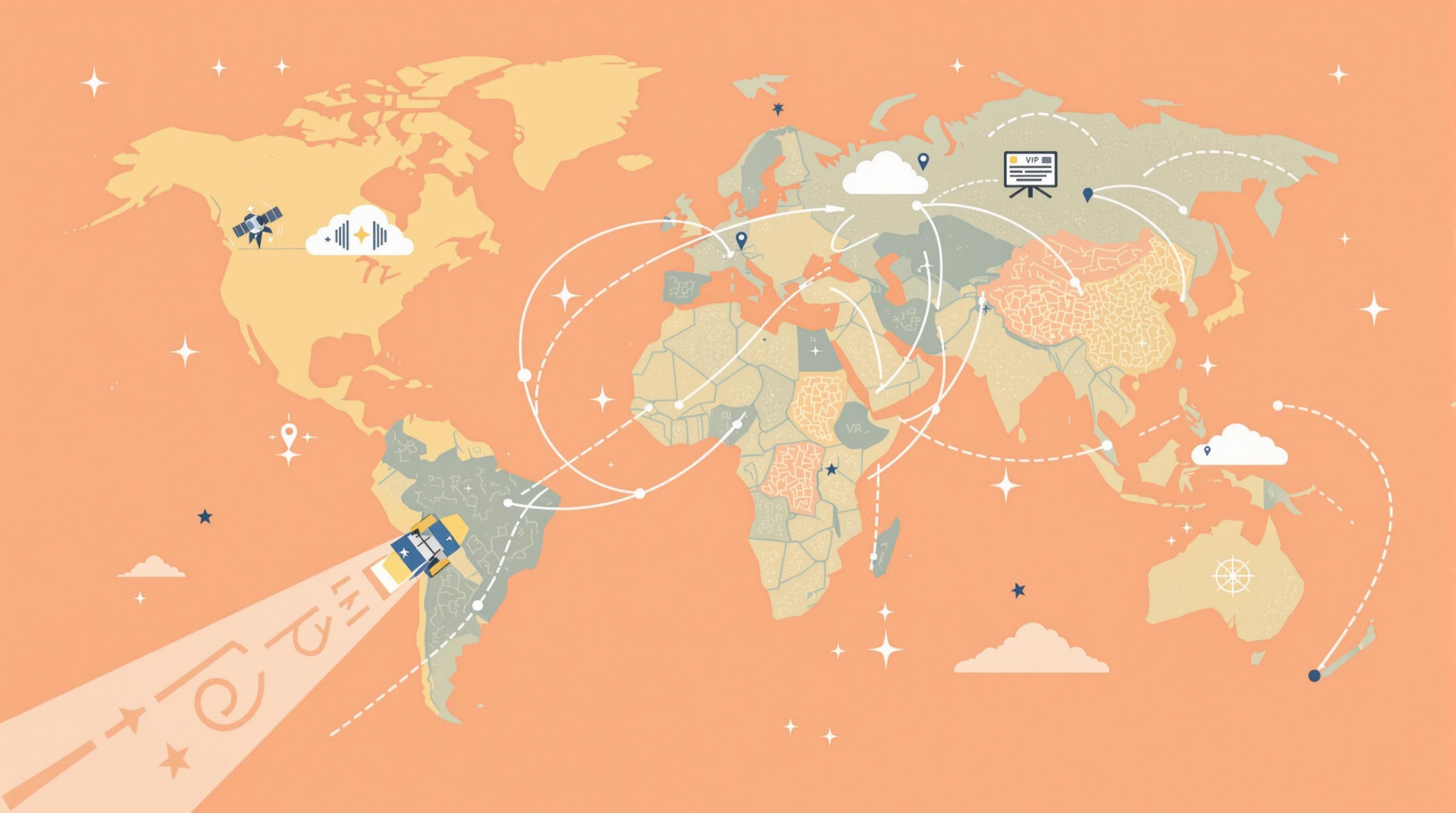
VoIP and the Space Race: How Cloud Communications are Bridging Gaps in Global Satellite Connectivity
VoIP and the Space Race: How Cloud Communications are Bridging Gaps in Global Satellite Connectivity
The intersection of VoIP technology and the ongoing space race holds transformative potential for global satellite communications. As countries and companies ramp up efforts to establish a more connected world, cloud communications emerge as a crucial bridge to alleviate the gaps in connectivity.
Understanding VoIP: The New Frontier of Communication
Voice over Internet Protocol (VoIP) may sound like geek speak, but it’s simply a way of making phone calls over the internet instead of using traditional telephone lines. Imagine chatting with your friend across the globe, all while sipping coffee in a local café. Thanks to VoIP, this communication revolution is not only possible but increasingly popular.
The Space Race: A Quick Recap
Once upon a time, a contest raged between the United States and the Soviet Union, primarily focused on who could conquer space first. The iconic incidents like the launch of Sputnik in 1957 and the U.S. landing on the Moon in 1969 highlighted this intense competition. Fast forward to today, we're witnessing a new kind of space race—a race to establish global satellite connectivity that could redefine how we communicate.
The Role of Satellites in Global Communication
Satellites orbiting Earth play a crucial role in bridging communication gaps, especially in rural or remote areas where traditional network infrastructure is lacking. According to a report by the International Telecommunication Union, approximately 3.7 billion people, or about half of the global population, still lack internet access. This disparity is especially apparent in developing regions, where effective communication can bolster education, healthcare, and economic growth.
VoIP's Impact on Satellite Communication
VoIP transforms satellite communication by leveraging the internet to create flexible and efficient communication channels. Traditional satellite phone systems are expensive and clunky, often requiring special hardware. In contrast, VoIP uses existing internet protocols, leading to lower costs and improved accessibility.
Statistics to Consider
Let’s look at the numbers: According to a report from Statista, the global VoIP market was valued at approximately $90 billion in 2020, and it is expected to grow to $150 billion by 2024. That's a staggering annual growth rate! This staggering rise indicates a shift in how businesses and individuals perceive communication methods, highlighting the relevance of VoIP in the information age.
Case Study: SpaceX and Starlink
One shining example of innovation in satellite connectivity comes from SpaceX's Starlink project. The company aims to deploy thousands of low Earth orbit (LEO) satellites, creating a broadband network accessible to even the most remote locations. In tests conducted in rural areas of the United States, Starlink reportedly delivered internet speeds exceeding those of traditional wired services. Users have praised the service, indicating an increased reliance on VoIP calls for both personal and professional communication.
The Competitive Edge: Why Countries Are Investing in Satellite Technology
Countries across the globe are investing heavily in satellite technology. For instance, China launched its own satellite internet project, which aims to rival Starlink, just as a digital economy begins to take shape. Beyond competition, nations recognize that establishing satellite networks provides geopolitical advantages, enhancing national security and global standing.
Bridging the Communication Gap: A Personal Touch
Now, let’s add a personal touch to our exploration of VoIP and satellite technology. Imagine Sarah, a teacher in a rural village in the Philippines, where traditional communication options are sparse. Thanks to a newly established VoIP service that utilizes satellite connectivity, Sarah can now connect to resources online, collaborate with international educators, and gain access to fresh teaching materials. This drastically changes the educational landscape—bridging gaps and closing the digital divide.
The Promising Future of VoIP in Space
As connectivity becomes paramount in our increasingly digital world, the coupling of VoIP and satellite communications is nothing short of revolutionary. The vision for global satellite connectivity isn't just about faster internet; it’s about embracing a future where communication knows no borders. With advancements in technology, including low-latency networks and high-throughput satellites, the dream of seamless global communication is becoming more attainable than ever.
Injecting Humor: The Phone Bill Dilemma
Sure, international calls can often feel like a trip to the bank—no, not the one with the money, but the one that makes you spend it all in one go! VoIP effectively zaps those outrageous phone bills, allowing users to connect with family and friends without fear of their wallet crying out for mercy. Laughing at your previous hefty bills? Priceless!
Personal and Professional Growth through Connectivity
Investments in satellite technology not only pave the way for better communication but also stimulate significant economic development. Article from Deloitte highlights that every 10% increase in broadband penetration can lead to a 1.3% increase in GDP. Imagine the ripple effect when remote communities gain reliable internet access due to VoIP-enabled satellite infrastructure—empowering businesses, fostering innovation, and improving quality of life.
VoIP for Humanitarian Efforts
In times of disaster and conflict, communication is invaluable. Humanitarian organizations, like Doctors Without Borders, rely heavily on seamless communication networks to coordinate aid efforts in remote areas. With VoIP enhanced through satellite connectivity, these organizations can efficiently communicate, manage resources, and provide timely assistance where it's most needed.
Looking Ahead: What’s Next?
So, what does the future hold? The ongoing developments in satellite technology and VoIP will likely usher in new prospects for global interconnectedness. As advancements in AI and machine learning blend with VoIP systems, we could see improvements in call quality, real-time translations, and user experience. The "space race" isn’t just about who can send rockets to outer space anymore; it's about who can foster a digitally connected Earth.
Connecting through Challenges
True change lies in overcoming challenges. Despite the apparent benefits of VoIP and satellite technology, hurdles persist: regulatory issues, technological barriers, and the irony of urban areas experiencing connectivity constraints due to the focus on remote regions. Nevertheless, ongoing research and collaboration between tech industries and governments are crucial to resolving these issues and paving the way for universal access.
The Takeaway for Younger Generations
Today’s youth are poised to take advantage of this communication boom. For students, entrepreneurs, and innovators—being tech-savvy and connected is essential. By understanding the potential of VoIP and satellite communications, the younger generations can contribute to and shape a world where information flows freely, bridging divides and fostering global collaboration.
Conclusion: A New Era of Communication
As we stand on the precipice of technological advancements that have the potential to reshape communication, VoIP and satellite connectivity offer a glimpse into the future. This new era is characterized by immediate access to information, enhanced collaboration, and the ability to dismantle geographical barriers. In bridging gaps in global satellite connectivity, VoIP is indeed a key player—propelling humanity towards a more connected and inclusive world. So, whether you’re participating in the next space race or simply trying to reach your Grandma on the other side of the globe, take a moment to appreciate how far we've come in the world of communication!