
Related Articles
- Uncharted Frequencies: The Surprising Role of Subcultures in Shaping Global Digital Landscapes
- Wired Whims: The Unexpected Role of Niche Online Communities in Shaping Global Digital Trends
- Fragmented Signals: Exploring the Shadows of Digital Divide in Emerging Economies and Its Impact on Global Unity
- Decoding the Invisible: How Microbial Communication Could Revolutionize Digital Interactions
- Cryptic Channels: How Encrypted Messaging Platforms Are Reshaping Trust and Transparency in Online Interactions
- Mysterious Modes: The Rise of Cryptographic Channels in Secret Online Dialogues and Their Hidden Impacts
The Surprising Influence of Cultural Norms on Wireless Technology Adoption across the Globe
The Surprising Influence of Cultural Norms on Wireless Technology Adoption across the Globe
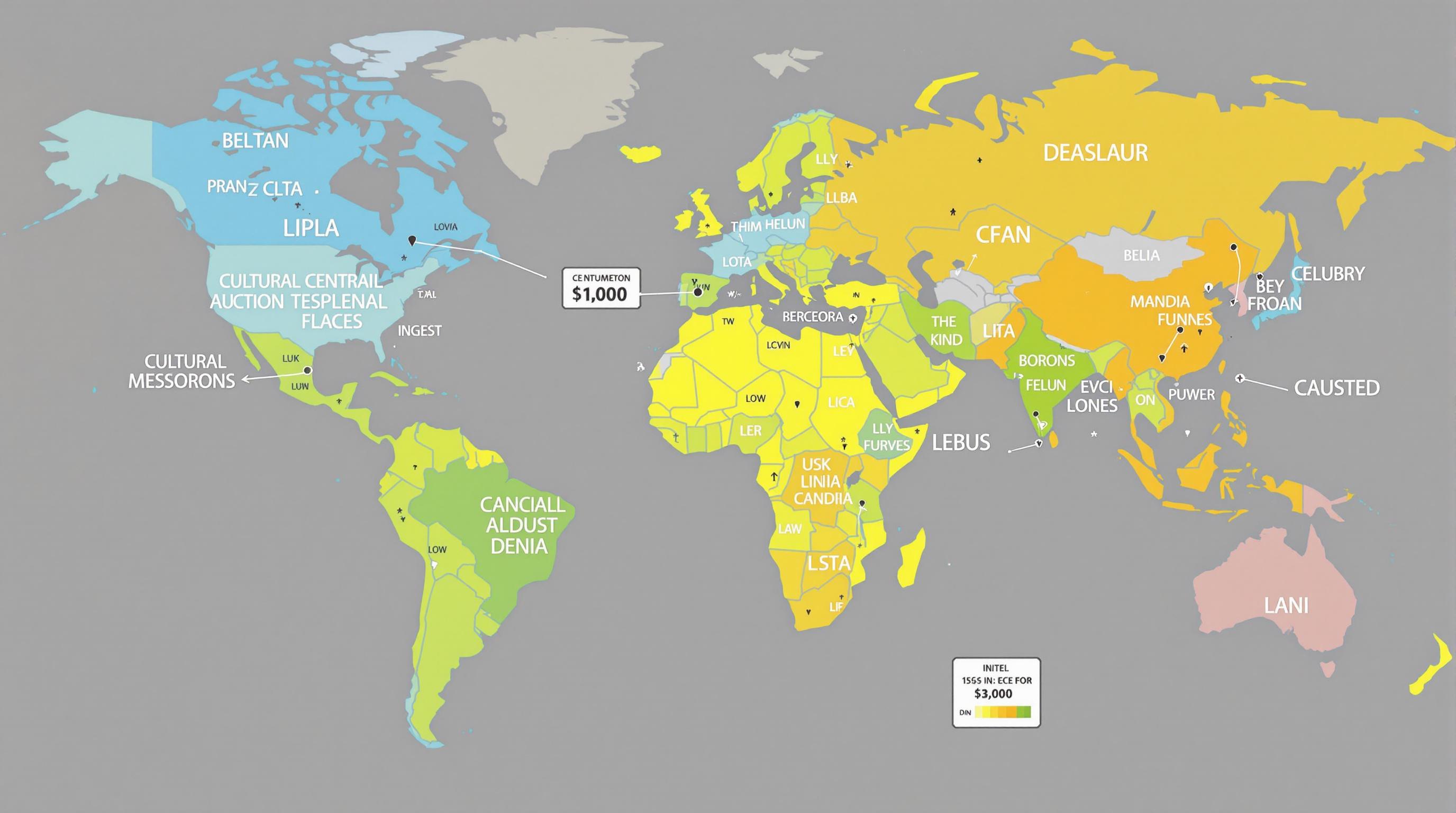
The adoption of wireless technology is not merely a technical evolution; it's significantly shaped by cultural norms that vary by region and society. This article delves into the fascinating interplay between culture and technology adoption, illustrating how everything from social values to economic status influences the integration of wireless devices worldwide.
The Foundation of Cultural Norms
Every culture develops its own set of beliefs, practices, and values, which together form what we call cultural norms. These norms influence not just lifestyle choices but also the acceptance and use of technology, including wireless innovations. Take, for example, Japan, where technology is often seen as an extension of daily life. According to a 2019 report by the Ministry of Internal Affairs and Communications, 93% of Japanese households have access to the internet. This reflects a culture that embraces the continuous integration of technology. Contrast that with many areas of sub-Saharan Africa, where internet access can be sporadic, and cultural attitudes toward technology can sometimes lean towards skepticism.
Historical Context Shapes Perception
Before digital technology, communities had their own forms of communication tied deeply to cultural practices and social structures. For instance, the use of communal traditional media, such as storytelling in places like West Africa, fostered a strong cultural identity that didn't prioritize digital interaction until recent years. As wireless technology became available, the challenge was not just about the technology itself, but how to integrate it into a landscape that valued oral traditions. This highlights a broader point: historical context plays a crucial role in tech adoption.
Case Study: Wireless Payments in Kenya
To illustrate this point, let’s see how M-Pesa transformed the economic landscape of Kenya. Launched in 2007, M-Pesa became a revolutionary mobile payment system rooted deeply in the local culture. In a country where many people are unbanked, the cultural norm of cash transactions made it easy for people to adopt the technology. As of early 2021, M-Pesa had over 40 million users, demonstrating that leveraging cultural practices can lead to widespread tech acceptance (World Bank, 2021).
Socio-economic Factors at Play
Technological acceptance is also intertwined with socio-economic factors. In high GDP nations, there is generally a greater predisposition to adopt new technologies due to better infrastructure, disposable income, and education levels. A 2018 Pew Research Center study indicated that 95% of adults in the United States own a cellphone, showcasing the intersection of wealth and wireless technology embrace. But in less affluent nations, access hinges on whether the technology addresses immediate needs, such as communication or transportation.
Government Policies and Regulation
Governments often shape the landscape of technology through regulations and policies. Countries with supportive frameworks witness higher wireless adoption rates. For example, in Finland, internet access is deemed a human right, leading to progressive policies that encourage universal access. As a result, Finland boasts some of the highest internet speeds globally, making it an ideal environment for tech innovations. In contrast, developing nations might face restrictive policies that hamper tech advancement, highlighting how governance directly impacts cultural norms toward technology.
Culture Shock: The Reluctance to Adopt
What happens when a culture is presented with a groundbreaking technology that directly contradicts its norms? In countries where personal interactions are highly valued, such as Italy, the rapid adoption of digital communication tools can cause friction. Entering this digital age, many Italians have expressed concerns over losing human connection, leading to resistance in fully embracing wireless solutions. A study from the University of Milan found that 68% of Italians prefer face-to-face communication over digital forms. This case elucidates how cultural values clashing with technology can create barriers to adoption.
The Engaging Dance of Youth Culture
If there’s one demographic that drives technological change, it’s the youth. The millennial and Gen Z cohorts have grown up in a digital world. Social norms around socialization, particularly in Western countries, prioritize technology as a primary means of communication. In fact, 98% of teenagers in the United States own a smartphone, and 45% consider it essential to their social lives (Common Sense Media, 2019). This phenomenon creates a feedback loop where the youth influence technology design, making it more intuitive and user-friendly, subsequently accelerating adoption.
Mobile Technology: Bridging Cultural Gaps
Our world today is more interconnected than ever, largely due to mobile technology. The cultural norms that influenced the previous generation can sometimes adapt to newer technologies. For instance, while traditional media might have once dominated, today’s youth are using social platforms like TikTok to share stories and values. This shift highlights that culture is not static; rather, it’s dynamic and can absorb technologies to fit its evolving identity.
Humor: The Unpredictable Side of Adoption
Now, let’s have a little fun! Ever tried explaining your smartphone to someone who just graduated from using pigeons for communication? Imagine the horror! “You mean it takes pictures? And you’re telling me you can talk to your friend across the ocean without sending carrier pigeons?” The absurdity highlights how cultural norms can manifest in humorous ways, often showing the reluctance of some communities to embrace changing technologies. The timelessness of the quaint little pigeon can sometimes conflict with the flashy cellphones of modernity.
Global Tech vs. Local Culture
While global brands like Apple and Samsung promote universally appealing technology, local cultural contexts can dramatically shape how these technologies are received. Customization is key. A classic example is how WhatsApp proliferated in India while Facebook Messenger remained stunted. Indian users value group-oriented communication features, aligning better with WhatsApp's capabilities. A staggering 80% of Indian smartphone users across the country utilize WhatsApp (Statista, 2020), making it clear: technology must fit local cultural frameworks to thrive.
Sustainable Wireless Technology Adoption
As we advance into an era where sustainable practices are paramount, the interaction between culture and technology is being scrutinized. In Denmark, for instance, the cultural norm deeply ingrained in sustainability leads to rapid acceptance of green technologies, such as solar energy and electric vehicles. In the context of wireless technology, Danish citizens have readily adopted smart home devices capable of reducing energy consumption. This amalgamation of a sustainable mindset and technological adoption could serve as a model for other nations to follow.
Conclusion: Bridging Culture and Technology
The relationship between cultural norms and the adoption of wireless technology is intricate and multifaceted. Throughout this article, we've explored how historical context, socio-economic factors, governance, and individual values contribute to a culture's response to new technologies. As we navigate the future, understanding and acknowledging these influences can pave the way for more meaningful and effective technological integration—bridging the gap between cultures and shaping a more connected world.
In conclusion, the journey toward universal wireless technology adoption is as much about the people as it is about the devices. By appreciating cultural nuances and responding to local needs, tech innovators can create solutions that resonate worldwide, proving that while technology may be universal, its acceptance is anything but.
Read More