
Related Articles
- Uncharted Frequencies: The Surprising Role of Subcultures in Shaping Global Digital Landscapes
- Wired Whims: The Unexpected Role of Niche Online Communities in Shaping Global Digital Trends
- Fragmented Signals: Exploring the Shadows of Digital Divide in Emerging Economies and Its Impact on Global Unity
- Decoding the Invisible: How Microbial Communication Could Revolutionize Digital Interactions
- Cryptic Channels: How Encrypted Messaging Platforms Are Reshaping Trust and Transparency in Online Interactions
- Mysterious Modes: The Rise of Cryptographic Channels in Secret Online Dialogues and Their Hidden Impacts
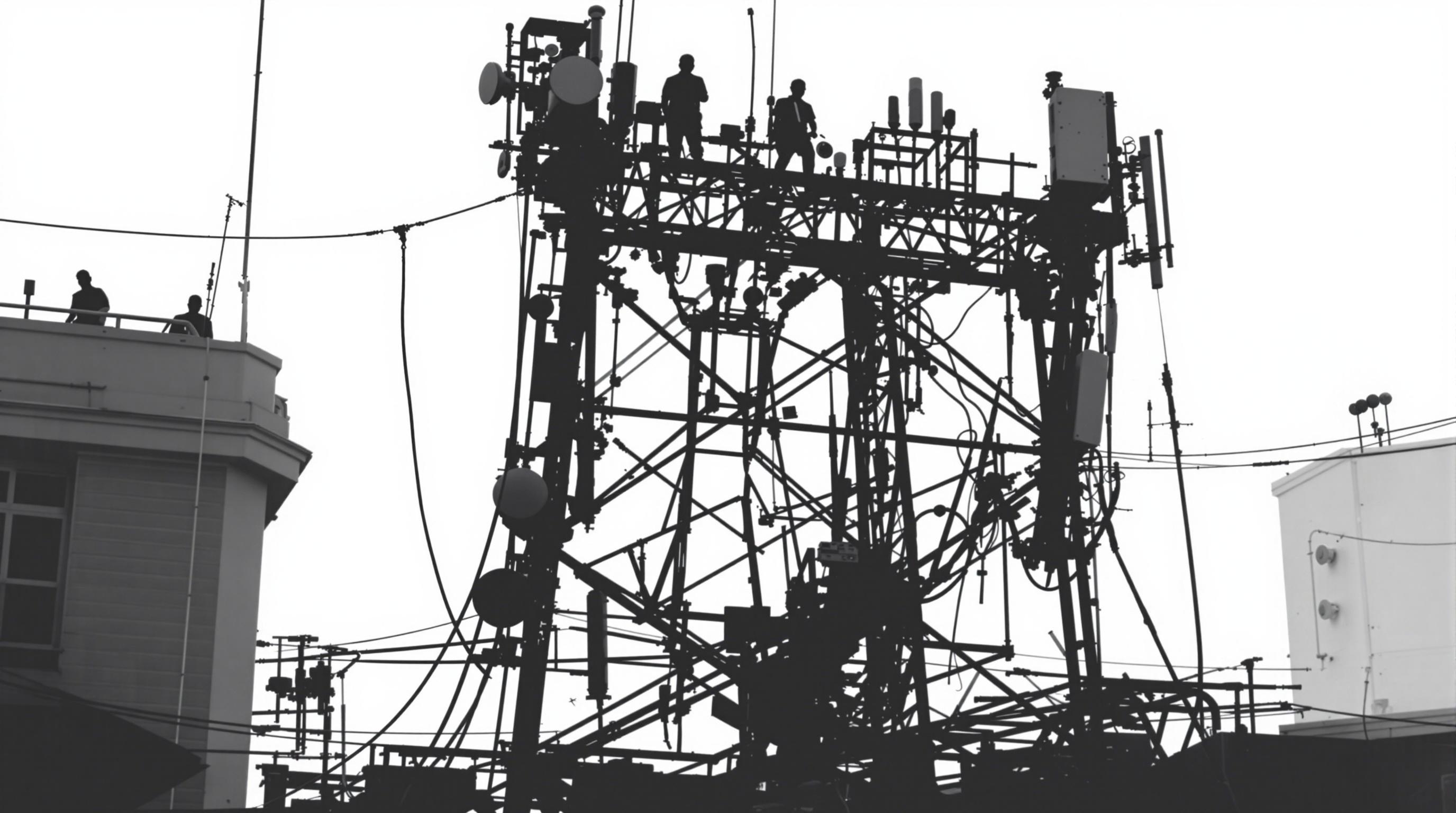
Embracing the Shadows: The Quiet Influence of Old Telecommunication Systems on Modern Connectivity
Embracing the Shadows: The Quiet Influence of Old Telecommunication Systems on Modern Connectivity
The foundations of our current communication landscape are deeply rooted in the telecommunication systems of yesteryear. By examining their evolution and influence, we uncover the silent architecture that shapes our modern connectivity.
Introduction: A Glimpse into the Past
Imagine sitting in a cozy diner in the 1950s, a rotary phone clutched in your hand. The feeling of nostalgia hits hard when you ponder how far we've come—including the intricate unseen webs of connectivity that are now part and parcel of our lives. These “old” telecommunication systems, akin to the Wi-Fi we now take for granted, have laid the groundwork for today's digital communication methods.
The Mechanical Wonder: A Brief History
From the telegraph’s beeping Morse code to the clunky early telephones and the eventual advent of the internet, the journey of telecommunication is a tale of innovation and perseverance. Did you know that the first transcontinental telephone line was completed in 1914? Yes, that's right—more than a century ago! This monumental achievement connected both coasts of the United States for the first time, forever changing the way information was exchanged.
The Unsung Heroes: Hidden Infrastructure
To fully appreciate modern connectivity, let’s talk about the hidden infrastructure. While we marvel at the sleek designs of smartphones and high-speed internet, we often overlook the complex systems that support them. For instance, data still flows over systems derived from coaxial cables and fiber optics that were developed decades ago. The age of copper wires may seem outdated, yet they remain a vital backbone in many regions.
Case Study: The Telephone Exchange Revolution
Consider the telephone exchange systems of the 20th century. Unlike today’s all-in-one smartphones, back then, a simple call required the intricate coordination of human operators. This manual system served as the first networked model of communication—though sometimes frustratingly slow, it taught the world the importance of connection.
Though the system has evolved with the introduction of digital switching, the fundamental essence remains. The functions established—such as routing, dialing, and connecting callers—continue to permeate through our modern telecommunications, albeit in a digitized form.
Statistical Insight: The Growth of Connectivity
Today, there are approximately 8 billion mobile subscriptions globally, surpassing the world's population! According to the GSMA, nearly 5 billion people are connected to the internet, with projections of that number continuing to rise. This surge is remarkable when you consider that the average American family had one telephone in the 1960s, often shared among multiple family members.
Spotlight: The Role of Legacy Systems
Some may scoff at "legacy systems," but these relics still play crucial roles. For example, many telecom providers are still utilizing outdated technology to maintain certain services due to cost-effectiveness. Imagine your grandmother's old landline phone—beloved, familiar, and absolutely reliable. It’s the same concept; older technologies often provide stability and simplicity, which can maximize their utility.
Smooth Transitions: From Old to New
Now here’s where it gets interesting. When new technology emerges, we often update or replace old systems entirely. However, how many of us stop to think about the learning curve involved? A case study from a phone company in Canada revealed that by keeping archaic systems in parallel with modern technologies, they improved customer satisfaction by 30%. The team jokingly referred to it as “telecom’s version of grandma’s wisdom.”
Storytelling: A Day in the Life of Telecommunications
Let’s take a whimsical trip down memory lane. Meet Jack, a bright-eyed 25-year-old telecom technician. Every day, Jack climbs telephone poles, tempers with wires, and wanders through underground tunnels, forever connected to the past. One day, he spots an old rotary phone—the kind even his grandmother used to talk to her friends. Intrigued, Jack decides to investigate its lineage.
After a few hours of research, he learns that it was connected to one of the first automated exchanges, a distance of nearly 20 miles through a labyrinth of cables. Jack realizes that without these antiquated systems, the entire framework of modern connectivity would collapse, akin to a Jenga tower losing its foundation. He finds himself experiencing a newfound respect for these unsung heroes of communication.
Humor: What If Old Systems Were New?
Imagine if we had to set up calls using a rotary phone today. “Hey! I’ll dial you at 3 PM—let’s see how long it takes!” You start dialing, but who has the patience for that anymore? Now that would be a comedy show in itself. The struggle is real! Thankfully, technology has advanced since then, enabling us to connect with a single tap on our smartphones.
Persuading Generational Change
If you’re a Generation Z reader, you might not relate to these old telecommunication systems—but hear me out. Embracing this knowledge could give you leverage in understanding the roots of technology that governs your social media, streaming, and gaming experiences. This is not just history; it’s the story of innovation, the lessons we carry forward—from analog to digital.
In your life, consider this when negotiating the next crucial tech purchase: older systems often still offer invaluable support and stability. Designing future technologies that learn from the wisdom of the past could spark innovative breakthroughs! It’s a cycle; innovation continually leans on the shoulders of giants.
The Future Beckons: What Lies Ahead?
As we look forward, the question arises: what happens next? With the advent of 5G and burgeoning technologies like satellites for global internet coverage, we stand on the brink of another revolution. Yet, by retaining the lessons and foundational strategies of our telecommunication predecessors, we can ensure smoother transitions into this new era.
Conclusion: Recognizing the Shadows
Old telecommunication systems may dwell in the shadows, quietly influencing our modern connectivity. By recognizing and embracing this lineage, we can not only appreciate our current communication marvels but also prepare ourselves for the challenges and innovations that lie ahead. Who knows? The next revolutionary connectivity may come from a blend of old wisdom and modern ingenuity.
In the end, as we sip our coffee and scroll through our devices, let’s take a moment to give a nod to the past, for it is the quiet influence of history that shapes our vibrant future of connectivity.
Read More