Related Articles
- Uncharted Frequencies: The Surprising Role of Subcultures in Shaping Global Digital Landscapes
- Wired Whims: The Unexpected Role of Niche Online Communities in Shaping Global Digital Trends
- Fragmented Signals: Exploring the Shadows of Digital Divide in Emerging Economies and Its Impact on Global Unity
- Decoding the Invisible: How Microbial Communication Could Revolutionize Digital Interactions
- Cryptic Channels: How Encrypted Messaging Platforms Are Reshaping Trust and Transparency in Online Interactions
- Mysterious Modes: The Rise of Cryptographic Channels in Secret Online Dialogues and Their Hidden Impacts
Decoding the Silent Waves: How Atmospheric Changes Impact Global Communication Channels
Decoding the Silent Waves: How Atmospheric Changes Impact Global Communication Channels
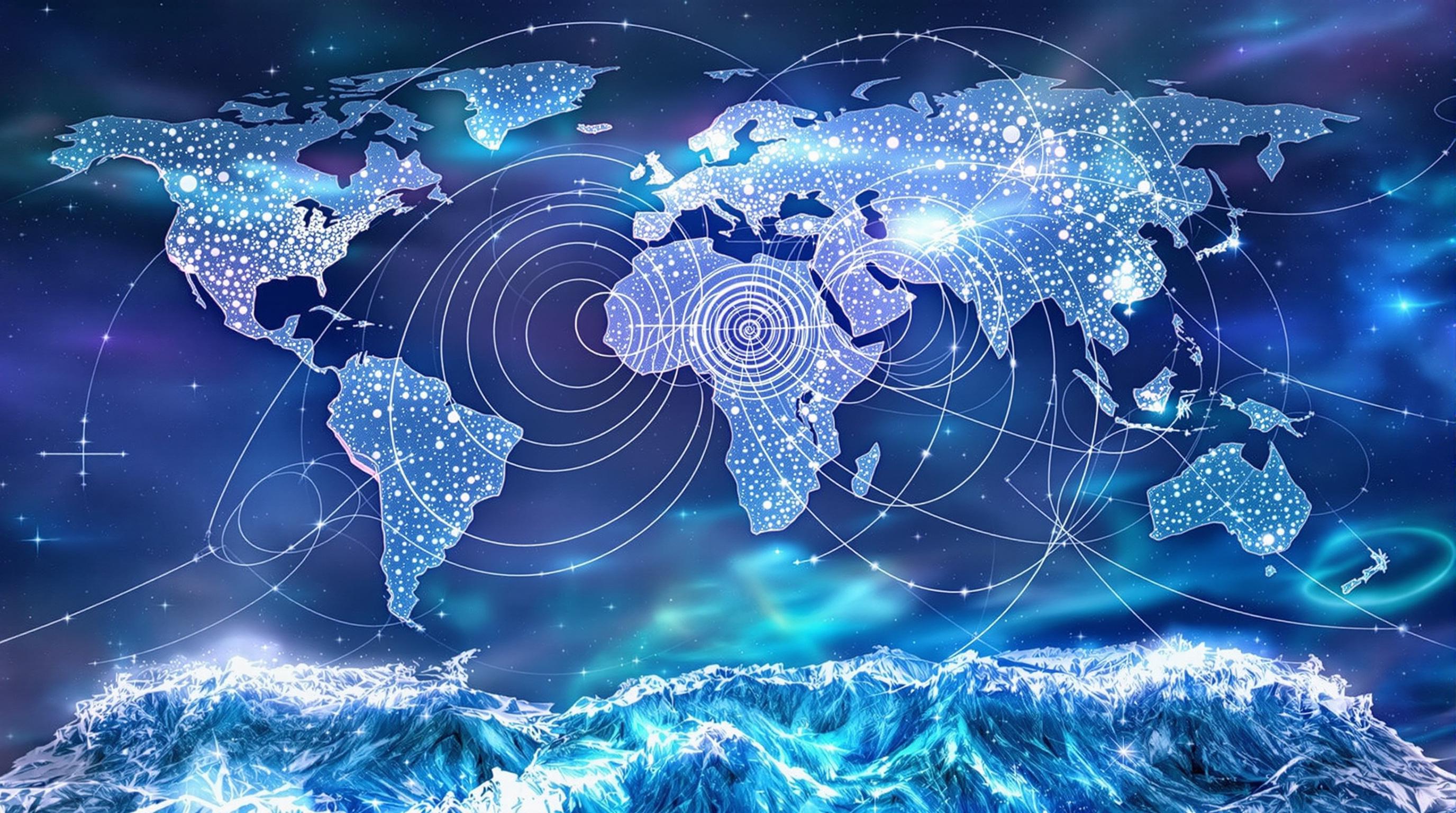
Atmospheric changes play a crucial yet often unnoticed role in the effectiveness of global communication channels, affecting everything from radio frequencies to internet connectivity. As we dive deeper into this phenomenon, we will unravel how various atmospheric conditions could either bolster or hinder our ability to communicate seamlessly across the globe.
The Invisible Connection
Imagine you're chatting with a friend halfway across the world. The conversation flows effortlessly, filled with laughter and inside jokes. But what if I told you that invisible waves, influenced by atmospheric phenomena, are responsible for carrying your words across continents? That's right! Those atmospheric changes—think storms, solar flares, and temperature variances—can significantly alter the pathways that high-frequency waves travel.
The Science of Communication Waves
At the core of our global communication systems lie electromagnetic waves. These waves come in different frequencies: radio waves, microwaves, and optical waves, each serving specific purposes in telecommunications. For instance, radio waves are commonly used for AM/FM broadcasting and mobile communications. It's fascinating to note that when atmospheric conditions change, they can cause these waves to bend or reflect, impacting their reach and clarity.
The Ripple Effect of Solar Activity
Solar flares and coronal mass ejections (CMEs) are two types of activity from our sun that can have a profound impact on communication systems. According to NASA, significant solar events can disrupt the Earth's magnetic field, potentially leading to communication blackouts. A case study worth noting occurred in 1989 when a massive solar storm caused widespread power outages in Quebec, Canada. But that's just the tip of the iceberg; what if you woke up one day with your social media accounts flooded with tweets about how everyone on the east coast was offline due to a solar flare? Talk about a "solar-squared" meltdown!
Weather Wonders: More Than Just Rain
Something as mundane as bad weather can also play havoc with our communication channels. During heavy rain or snow, signals transmitted via satellite might degrade, leading to spotty cell phone service or a pixelated video call. A study published by the IEEE Communications Society reported that rain rates above 10 mm/hour can cause a significant drop in satellite communication quality. The next time you see dark clouds, take a moment to appreciate how much that storm could interfere with our chat!
Rural vs. Urban: The Disparity
Living in a bustling city can sometimes feel like living in a communication utopia. But the truth is, urban locations and rural areas face different challenges due to atmospheric changes. For instance, while urban centers benefit from robust infrastructures, rural areas may rely more heavily on satellite communication, which is susceptible to the same weather variability discussed earlier. This disparity can lead to significant gaps in connectivity, especially during atmospheric disturbances.
Statistically Speaking: The Numbers Game
Have you ever noticed how statistics can be mind-boggling? Well, here’s one for you: according to the World Bank, around 3.7 billion people lack internet access, and atmospheric changes exacerbate this divide in underserved regions. Imagine trying to complete an online exam in a storm-laden zone—goodbye grades and hello frustration! This shows how crucial it is to consider atmospheric conditions when planning our communication networks.
Climate Change and Future Predictions
As we face the reality of climate change, it’s essential to recognize its long-term effects on our communication systems. Higher temperatures can lead to increased humidity levels, which may affect signal strength and lead to outages. A 2022 study by the International Telecommunications Union pointed out that rising sea levels could also threaten physical infrastructures like fiber optic cables running beneath the ocean. Are we prepared for a scenario where a simple daily text message is interrupted due to climate whims?
Personal Experience: A Communication Crisis
Let me take you back to last winter. I was excited for a video call with my best friend who lives in another country. As I settled down with a cup of coffee, a snowstorm rolled in. Suddenly, my connection was dropping sporadically, resulting in a rather frustrating 30-minute session of frozen faces and robotic responses. It became painfully clear: atmospheric conditions do matter, even for casual chats!
Spotlight on Technological Advances
Interestingly, despite all these atmospheric challenges, technology is continuously evolving. Innovations like 5G networks aim to provide faster and more reliable connections, even in less-than-ideal weather conditions. Some companies are also looking into utilizing satellites in lower orbits to improve signal robustness. This paints a hopeful picture for a future where atmospheric changes might no longer spell doom for our communication channels.
Global Collaboration: Locking Hands Across Borders
What if we worked together to combat these atmospheric challenges? International organizations and telecommunications companies are beginning to recognize the need for global collaboration in sharing meteorological data. Projects like the World Meteorological Organization (WMO) aim to improve predictive models to help telecoms prepare for atmospheric disturbances. It’s just like a sports team working together to make that touchdown; unifying efforts can create a game-winning strategy for global communication.
Final Thoughts: An Unseen Force
In conclusion, atmospheric changes act as an unseen force impacting how we communicate across the globe. Understanding these influences not only reminds us of the interconnectedness of our technology with natural phenomena but also encourages us to think critically about how to mitigate potential disruptions. So next time you send a quick text, take a moment to appreciate those silent waves traveling through the atmosphere, defying the odds, and connecting you to the world.
And remember, folks, whether it’s sunny skies or stormy weather, the invisible threads of communication are at play, reminding us how intricately woven our lives are across distances. Keep those lines open and, as always, stay connected—just maybe not during a thunderstorm!
Read More