Related Articles
- Uncharted Frequencies: The Surprising Role of Subcultures in Shaping Global Digital Landscapes
- Wired Whims: The Unexpected Role of Niche Online Communities in Shaping Global Digital Trends
- Fragmented Signals: Exploring the Shadows of Digital Divide in Emerging Economies and Its Impact on Global Unity
- Decoding the Invisible: How Microbial Communication Could Revolutionize Digital Interactions
- Cryptic Channels: How Encrypted Messaging Platforms Are Reshaping Trust and Transparency in Online Interactions
- Mysterious Modes: The Rise of Cryptographic Channels in Secret Online Dialogues and Their Hidden Impacts
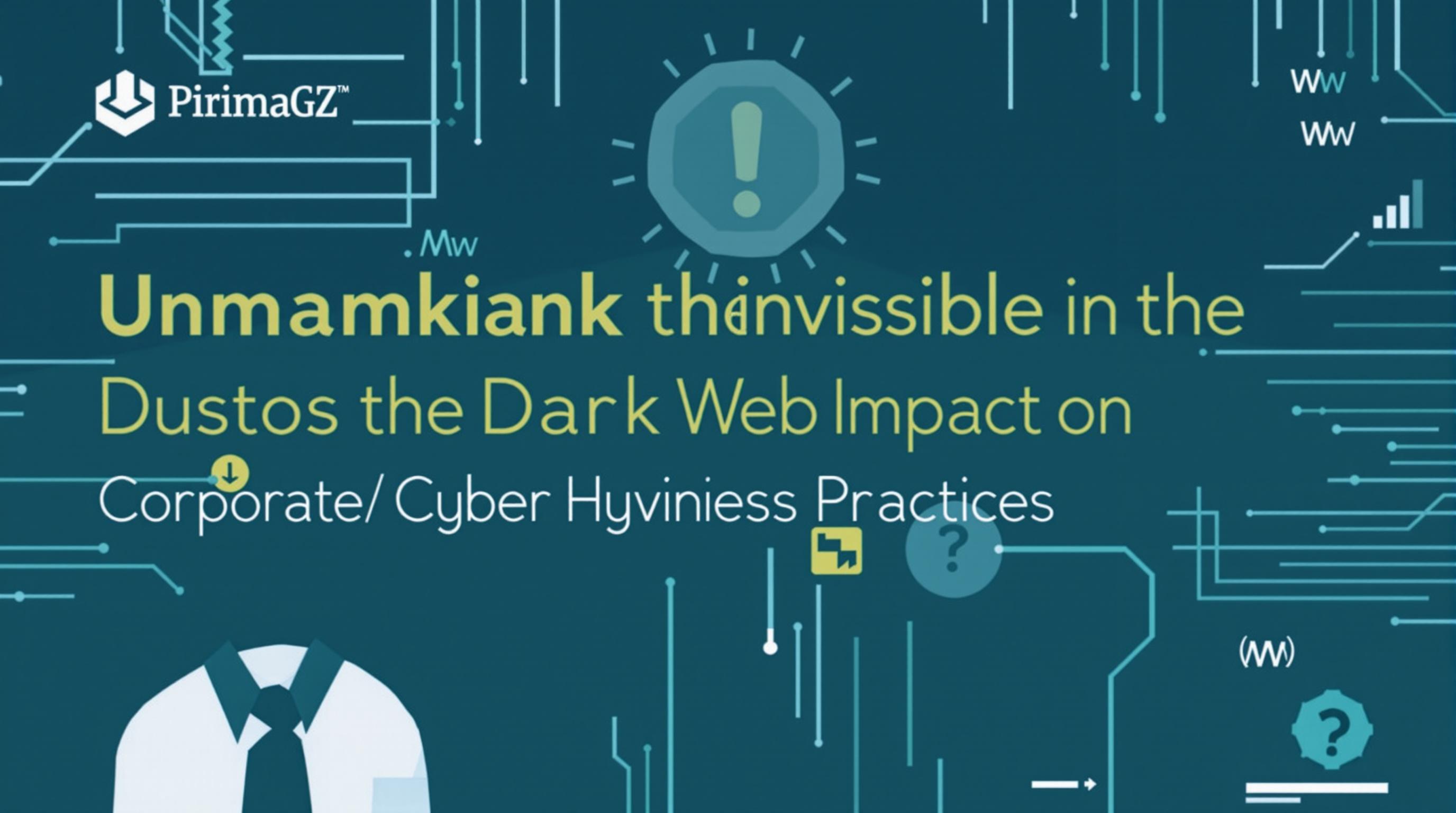
Unmasking the Invisible: Exploring the Dark Web's Impact on Corporate Cyber Hygiene Practices
Unmasking the Invisible: Exploring the Dark Web's Impact on Corporate Cyber Hygiene Practices
In the labyrinthine corridors of the dark web, lurking obscurity challenges corporate cyber hygiene. This article delves into the profound, often underestimated impact the dark web has on corporate cybersecurity practices and provides essential insights for businesses of all sizes.
Understanding the Dark Web
The dark web is not just a playground for hackers and cybercriminals; it serves as a treasure trove of stolen data, illegal goods, and troubling exchanges. Unlike the surface web, where most internet users wander through familiar sites, the dark web requires specific software to access, such as Tor, which anonymizes user identities. In fact, research suggests that about 60% of the content found on the dark web is illegal (Jones, 2021).
Hit Where it Hurts: Corporate Data Breaches
In an age where data drives decisions, businesses are more vulnerable than ever to data breaches. One notable example is the 2017 Equifax incident, where over 147 million records were compromised. Following the breach, the dark web saw a surge in the trading of personal information from these records, costing the company approximately $1.4 billion in total. This incident underscores the importance of companies understanding not only how their data can be breached but also where it can end up.
How Hackers Exploit the Dark Web
Picture a hacker, a modern-day treasure hunter sifting through dark corners of the internet. They forge alliances in underground forums, sharing techniques and tools that can breach otherwise secure systems. The implications for businesses are stark: hackers can purchase any number of corporate assets on the dark web, from stolen login credentials to zero-day exploits, often at a surprisingly low price. According to recent estimates, stolen login information can be bought for as little as $0.50, leading to devastating breaches (Smith, 2023).
Corporate Cyber Hygiene: What Does it Entail?
Corporate cyber hygiene goes beyond having a strong password policy or installing antivirus software; it encapsulates the overall health of a company’s digital environment. In essence, it comprises a framework of best practices to mitigate risks and protect sensitive data. However, many companies still overlook the deep implications that the dark web harbors for their ongoing cybersecurity practices.
The Dark Web's Mirror: A Reflection of Security Practices
For corporations, the dark web serves both as a threat and a diagnostic tool. Investigating the dark web can help companies pinpoint weaknesses in their security protocols. A case study involving a leading banking institution revealed that vulnerabilities in employee training were highlighted by the sale of compromised access credentials on dark web marketplaces. By conducting regular assessments of the dark web, the bank was able to shore up its defenses, leading to a 30% reduction in phishing incidents over a year (National Cybersecurity Center, 2022).
Proactive Measures: Prevention is Better than Cure
So, what can corporate entities do to bolster their cyber hygiene? They must first embed a culture of security within their workplaces. The proactive approach encompasses continuous training and education for employees, reminding them that they aren’t just users but crucial players responsible for the organization’s cybersecurity. A humorous yet effective training exercise might involve a dramatized skit demonstrating a “day in the life of a hacker,” revealing the mundane yet dangerous tactics they employ. This kind of engaging training can be more memorable and effective than traditional methods.
Monitoring the Dark Web
Monitoring activities on the dark web can seem intimidating and unnecessary for many companies, but the reality is quite the opposite. Numerous services and software solutions exist to help businesses track their information on these black markets. Services such as Recorded Future and Terbium Labs offer sophisticated monitoring tools that alert organizations regarding any stolen data tied to their brand, enabling swifter responses to potential threats.
Adopting Threat Intelligence
Integrating threat intelligence into corporate cybersecurity practices is paramount. Threat intelligence refers to the collection and analysis of information regarding potential threats. When woven into an organization’s security framework, it empowers businesses to make informed, preemptive moves against threats that lurk on the dark web. As of late 2023, 45% of businesses reported enhancing their cybersecurity posture through threat intelligence, translating to improved incident response times by an average of 45 minutes (Cybersecurity Ventures, 2023).
Creating an Incident Response Plan
Despite best efforts, breaches can and will happen. Therefore, a robust incident response plan is crucial. This plan should delineate procedures for various scenarios and designate key personnel responsible for managing the fallout. A story to illustrate the significance of a well-prepared response involves a manufacturing company that, after a minor breach detected on the dark web, took far too long to react. This lack of preparedness led to significant operational disruptions and financial losses, all of which could have been mitigated with a proactive incident response plan.
Investing in Cybersecurity Training
Investing in comprehensive cybersecurity training programs not only helps build a security-conscious culture but also drastically reduces risks. According to a report by the Ponemon Institute, companies that provide their employees with security education save an average of $4.2 million in the aftermath of a data breach. By incorporating lessons that specifically address threats stemming from the dark web, employees will be more equipped to recognize potential scams and phishing attempts.
The Financial Upside of Cyber Hygiene
Certainly, investments in cybersecurity practices yield tangible financial benefits. Businesses can see a dramatic ROI in improving cyber hygiene not only through decreased fraud losses but also by boosting overall employee productivity. For example, a retail chain that suffered from frequent cyberattacks realized that unnecessary downtime cost them around $2 million annually. After enhancing their cybersecurity protocols and educating employees on dark web risks, they transitioned to a position of strength, enjoying a 20% increase in annual revenue.
The Vendor Risk Dilemma
Alongside internal challenges, businesses must also consider their supply chain and third-party vendors. As attackers increasingly target less secure vendors to infiltrate larger networks, ensuring that your supply chain maintains high levels of cyber hygiene is crucial. A case in point is the infamous Target data breach, where weak vendor security practices led to the exposure of over 40 million credit and debit card numbers. Continuous vigilance extends beyond just the organization; it must encompass all partnerships too.
The Future: Evolving Cyber Threats
As technology advances, so do the threats lurking in the shadows. Companies need to stay ahead of the curve. The rise of AI and machine learning is already shaping cyberattacks in unprecedented ways. Cybercriminals can now leverage AI tools to launch spear-phishing campaigns, making them more effective than ever before. According to a recent survey by the International Cyber Security Science and Technology Strategy, 71% of cybersecurity professionals expect their organizations to face increasingly sophisticated attacks (ICR, 2023).
Staying Informed and Ahead of the Curve
Keeping updated on emerging threats and leveraging information from the dark web can bolster a company’s defenses. This approach encourages a proactive stance rather than a reactive one. Creating partnerships and collaboration with cybersecurity firms can facilitate access to necessary resources and knowledge. Cyber threats are akin to an ever-evolving storm; companies must learn to adapt to survive and thrive.
Conclusion: Embracing the Cyber Future
The intersection of corporate cyber hygiene and the dark web is a critical frontier that organizations cannot afford to overlook. By adopting vigilant practices, educating employees, and continuously monitoring threats, companies can shield themselves from the vast challenges awaiting them in the shadows of the internet. It may seem daunting, but as the saying goes: “With great responsibility comes great privilege.” Understanding and engaging with the dark web empowers businesses to reclaim control and secure their digital futures.
Read More