Related Articles
- Uncharted Frequencies: The Surprising Role of Subcultures in Shaping Global Digital Landscapes
- Wired Whims: The Unexpected Role of Niche Online Communities in Shaping Global Digital Trends
- Fragmented Signals: Exploring the Shadows of Digital Divide in Emerging Economies and Its Impact on Global Unity
- Decoding the Invisible: How Microbial Communication Could Revolutionize Digital Interactions
- Cryptic Channels: How Encrypted Messaging Platforms Are Reshaping Trust and Transparency in Online Interactions
- Mysterious Modes: The Rise of Cryptographic Channels in Secret Online Dialogues and Their Hidden Impacts
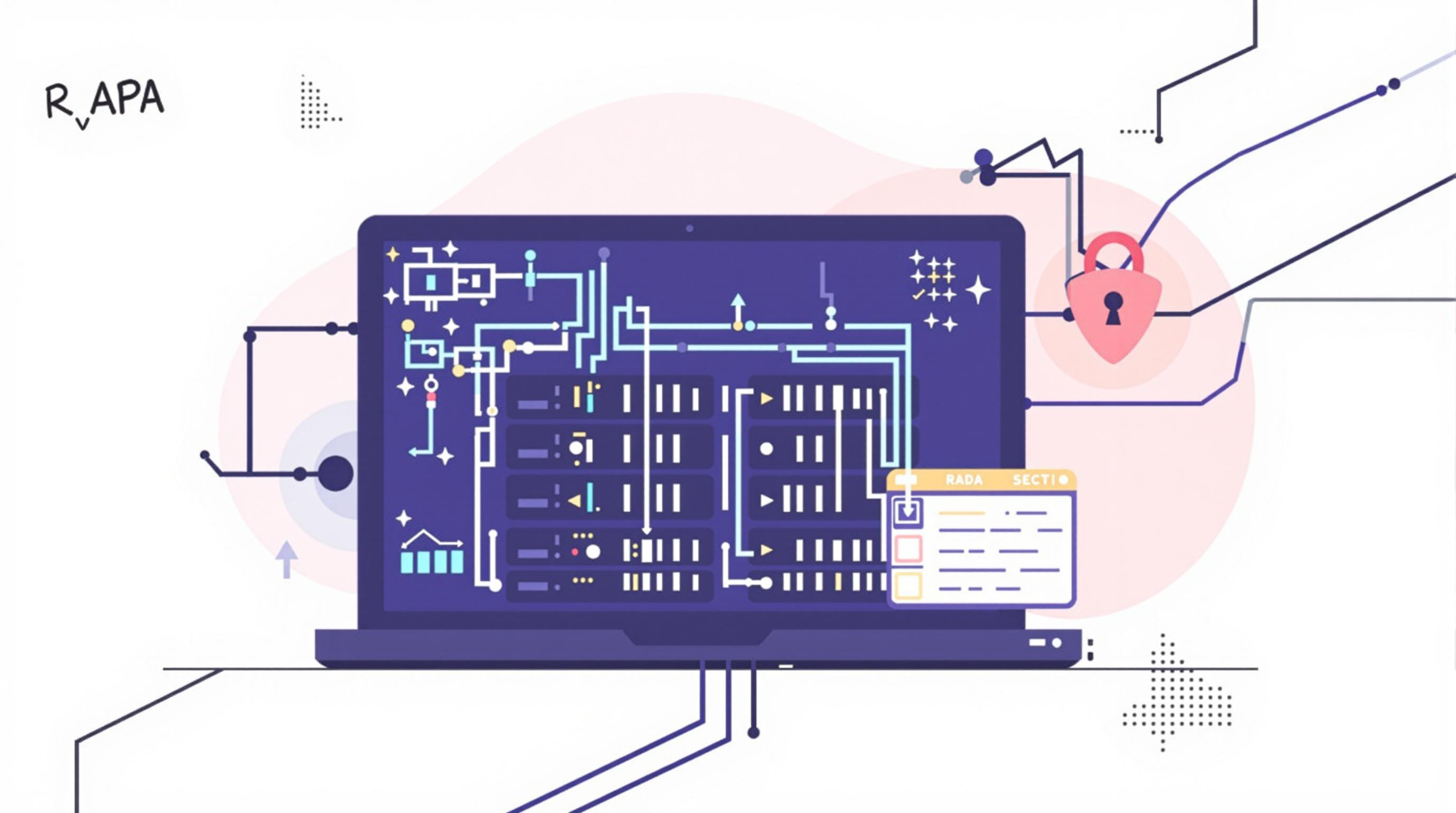
11 Underappreciated Network Security Measures: Optimizing Your Defense Mechanisms Through Unexpected Perspectives
11 Underappreciated Network Security Measures: Optimizing Your Defense Mechanisms Through Unexpected Perspectives
11 Underappreciated Network Security Measures: Optimizing Your Defense Mechanisms Through Unexpected Perspectives
1. Embrace the Power of Employee Training
Most organizations invest heavily in software and hardware defenses but often overlook the human element. Comprehensive employee training can be a game changer. By providing employees with knowledge about phishing attempts, social engineering tactics, and secure password practices, organizations can fortify their defenses from within.
Regular workshops and refresher courses ensure that security remains a priority. Employees should understand not only how to recognize threats but also how to respond appropriately. This holistic approach can significantly reduce the likelihood of a successful attack.
Incorporating gamification into training sessions has shown to enhance engagement and retention of security knowledge. By making learning interactive, organizations can effectively cultivate a culture of security awareness (NIST, 2020).
2. Implement Network Segmentation
Network segmentation involves dividing a computer network into smaller parts to improve performance and security. Through segmentation, organizations can contain potential breaches to isolated sections of the network. This measure is often neglected but can limit the scope of attacks and reduce the damage caused by intruders.
In addition to improving security, segmentation can also optimize network performance by reducing congestion. By controlling traffic flow and limiting access to sensitive areas of the network, organizations can create multiple defensive layers (Palo Alto Networks, 2019).
To effectively implement network segmentation, companies must assess their current network architecture and identify critical assets. This strategy not only enhances security but also allows IT teams to manage resources better.
3. Maintain an Updated Inventory of Hardware and Software
An often-overlooked security measure is maintaining a comprehensive inventory of hardware and software assets. By knowing exactly what components are connected to the network, organizations can monitor and manage vulnerabilities more efficiently. Regular audits help ensure that all devices and applications are accounted for and up-to-date.
Outdated software is a primary target for cybercriminals. Keeping track of versions and promptly applying patches is critical. Investments in asset management tools can aid organizations in staying informed about their network landscape.
Additionally, a clear inventory aids in compliance with industry regulations and helps organizations respond to audits or incidents swiftly. By knowing the scope of their environment, companies can defend against external threats more effectively.
4. Leverage Artificial Intelligence and Machine Learning
AI and machine learning are transforming network security by providing automated threat detection and response. These technologies can analyze vast amounts of data in real time, identifying patterns that may signify a breach. Organizations that integrate AI into their security frameworks can respond to threats much faster than traditional methods allow.
Moreover, AI can enhance predictive analytics, helping organizations anticipate potential vulnerabilities before they are exploited. This proactive approach provides a substantial advantage in staying ahead of cybercriminals.
However, businesses should be cautious about relying solely on AI for security; human oversight remains crucial. Combining machine intelligence with human expertise creates a robust defense strategy that can adapt to emerging threats.
5. Utilize Deception Technology
Deception technology involves creating decoy assets and deceptive traps to lure attackers into a controlled environment. This approach not only diverts threats away from actual systems but also allows organizations to gather intelligence about methods used by attackers.
By implementing honeypots and traps, organizations can detect intrusions early and analyze attacker behavior, assisting in strengthening real defenses. These insights are invaluable for creating a more resilient security posture.
Additionally, deception technology can discourage attackers, as they may perceive the target as better protected and thus seek easier victims. Incorporating this tactic into an overall security strategy can yield significant benefits.
6. Regularly Test Incident Response Plans
No organization is immune to cyber threats, making it essential to have an effective incident response plan. However, merely having a plan is insufficient; regular testing and refinement are vital. Simulated attacks through tabletop exercises or live drills help teams understand their response roles and identify weaknesses.
By analyzing the outcomes of these tests, organizations can update their incident response strategies and ensure their team is familiar with procedures. This practice cultivates a proactive culture and readiness for inevitable threats.
Moreover, maintaining clear communication protocols and escalation paths minimizes chaos during actual incidents, ensuring faster resolution and less damage to critical systems.
7. Invest in Threat Intelligence
Staying informed about the latest threats and vulnerabilities is critical for effective network security. Investing in threat intelligence services can provide organizations with valuable insights into potential risks and emerging attack vectors. Access to this data enables proactive measures to be taken before threats materialize.
Threat intelligence encompasses various sources, from open-source information to proprietary feeds that analyze specific indicators of compromise. Organizations can leverage this information to prioritize risks based on industry trends.
Furthermore, creating a community of shared intelligence among organizations can enhance collective security efforts. Collaboration allows information about attacks and defenses to flow more freely, fostering a more secure environment for all.
8. Establish a Zero-Trust Model
The zero-trust security model operates under the principle of "never trust, always verify." This approach assumes that threats can exist both inside and outside the network perimeter, prompting organizations to enforce strict authentication and access measures for all users. Implementing a zero-trust model can significantly enhance an organization’s security posture.
By requiring continuous verification of identities and device security, organizations can limit access to sensitive data to only those who absolutely need it. This principle minimizes the risk of insider threats and lateral movement within the network in the event of a breach.
While transitioning to a zero-trust model can be challenging, organizations that prioritize this framework can gain a competitive advantage in overall network security.
9. Employ Strong Data Encryption
Data encryption is an essential yet often underappreciated aspect of network security. Encrypting sensitive data both at rest and in transit ensures that even if it is intercepted or accessed without authorization, it remains protected. By turning data into unwieldy ciphertext, organizations can safeguard critical information from prying eyes.
A strategic approach to encryption involves not only thorough implementation but also regular reviews to ensure that encryption protocols remain up to date with evolving standards. Organizations must prioritize using strong algorithms and key management practices to enhance the effectiveness of their encryption efforts.
Furthermore, educating employees on the value of encryption helps create awareness about data sensitivity and promotes a culture of security-mindedness throughout the organization.
10. Utilize Security Automation
In an era defined by increasing threats and limited resources, automation offers a solution for enhancing network security without stretching teams too thin. Security automation tools can handle routine tasks such as patch management, threat detection, and incident response, allowing security teams to concentrate on higher-level strategic projects.
By automating repetitive tasks, organizations can significantly improve response times to potential threats and reduce human error, which is often a vulnerability in security processes. Implementing automation allows for more efficient use of personnel, saving time and resources.
However, adopting automation doesn't mean eliminating human oversight. Continual validation of automated processes ensures effective defense against evolving threats, making it vital for security teams to maintain engagement with automated systems.
11. Foster a Security-Centric Company Culture
A strong security culture begins at the top and permeates through the organization. Leadership should prioritize security as a core value within the company, demonstrating commitment by allocating resources for training, tools, and employee engagement activities focused on security awareness and best practices.
Encouraging open communication about security concerns and incidents builds trust and transparency, leading to a more collaborative environment where employees feel empowered to report threats or unsafe practices without fear of retribution.
Ultimately, a security-centric culture not only enhances defense mechanisms but also cultivates adaptability and resilience against future cyber threats. By fostering this mindset across all levels of the organization, businesses can better prepare for the evolving landscape of cyber threats.
Read More