Related Articles
- Uncharted Frequencies: The Surprising Role of Subcultures in Shaping Global Digital Landscapes
- Wired Whims: The Unexpected Role of Niche Online Communities in Shaping Global Digital Trends
- Fragmented Signals: Exploring the Shadows of Digital Divide in Emerging Economies and Its Impact on Global Unity
- Decoding the Invisible: How Microbial Communication Could Revolutionize Digital Interactions
- Cryptic Channels: How Encrypted Messaging Platforms Are Reshaping Trust and Transparency in Online Interactions
- Mysterious Modes: The Rise of Cryptographic Channels in Secret Online Dialogues and Their Hidden Impacts
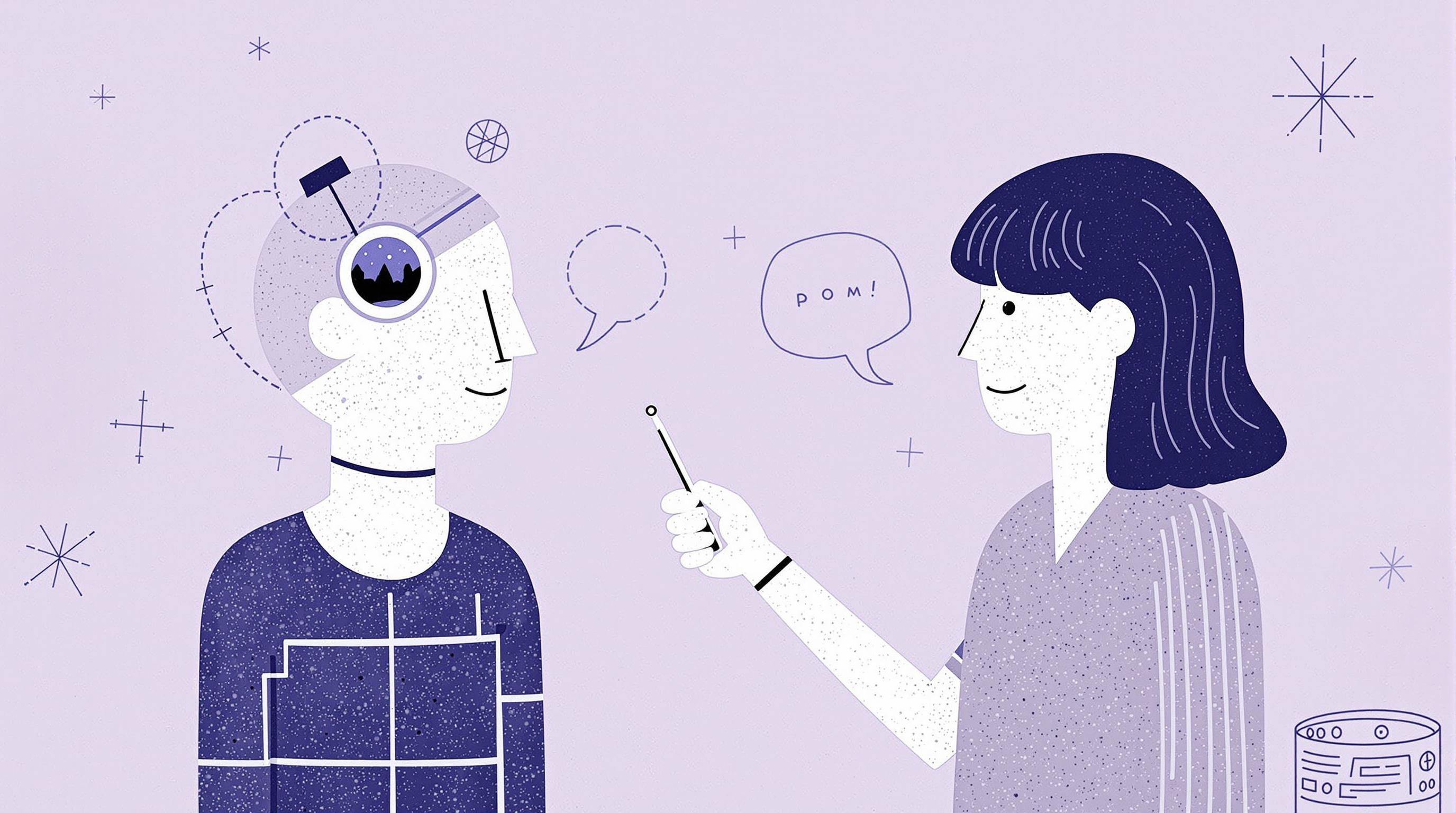
Unveiling the Unspoken: How AI Is Shaping Non-Verbal Interactions in Digital Conversations
Unveiling the Unspoken: How AI Is Shaping Non-Verbal Interactions in Digital Conversations
In an era where communication is rapidly evolving, AI is revolutionizing the nuances of non-verbal interactions in digital conversations. From chatbots that can interpret emotions to algorithms that customize interactions based on user behavior, the landscape of communication is changing in ways we are just beginning to understand.
The Power of Non-Verbal Communication
Non-verbal communication represents a fundamental aspect of human interaction, encompassing facial expressions, gestures, posture, and eye contact. According to research by Albert Mehrabian, a psychologist who specialized in non-verbal communication, a staggering 93% of communication is conveyed through non-verbal cues (Mehrabian, 1971). With such a significant chunk of our interaction hinging on non-verbal elements, it becomes imperative for digital platforms to embrace and adapt these cues.
Evolution of AI in Digital Conversations
Artificial Intelligence has moved from being a futuristic concept to a palpable force in our daily lives. A 2022 report by McKinsey indicated that around 58% of businesses had integrated AI technologies into their operations, highlighting the exponential growth of AI in various sectors—not just customer service but also in fields like mental health therapy, education, and even sociological research.
AI Chatbots: Interpreting Emotions
Imagine you're venting to a chatbot after a long day. You type with frustration, using exclamation marks and all caps to convey your distress. Thanks to machine learning algorithms, AI can analyze your text for emotional nuances. For instance, platforms like Replika utilize sentiment analysis to determine the user’s emotional state and adjust their responses accordingly, making interactions feel more human-like. In fact, a study by Stanford University showed that users reported a 60% increase in satisfaction when interacting with emotionally aware AI, compared to traditional chatbots.
Natural Language Processing and Its Role
Natural Language Processing (NLP) forms the backbone of AI's understanding of non-verbal cues. By breaking down textual components and contextual parameters, NLP enables AI to interpret meanings that transcend the literal. Take the use of emoji, for example. According to a survey by Adobe, 82% of people use emoji in digital conversations, feeling that these symbols convey feelings better than text alone. The crossover between verbal and non-verbal communication has never intersected more dynamically than in this digital age!
Case Study: AI in Mental Health
AI's impact on digital conversations extends beyond customer service; it plays a pivotal role in mental health platforms like Woebot. Woebot is an AI chatbot designed to engage users in cognitive behavioral therapy (CBT) through text. Users input feelings and thoughts, and the AI analyzes nuances such as tone and word choice. A 2020 study published in the Journal of Medical Internet Research found that participants using Woebot reported a 24% reduction in symptoms of anxiety and depression. The successful interpretation of non-verbal cues in digital interactions may very well lead to breakthroughs in therapeutic practices.
Humanizing Digital Experiences
The chicken or the egg debate might be sparked when we ponder whether technology reflects human behavior or shapes it. On one hand, technology often mirrors our existing communication methods. On the other hand, the introduction of AI tools alters our conversational habits. AI platforms like Zoom utilize "virtual backgrounds" and augmented reality to create environments conducive to deeper engagement, inherently changing how we perceive body language and interaction. This begs the question: as our tools evolve, do we too change the way we communicate?
Texting Tones and AI Analysis
Ever received a text that seemed a little off? Perhaps you misinterpreted a friend's sarcasm for annoyance? AI models now analyze texting tones, recognizing the common pitfalls of digital miscommunication. Platforms like Google’s Smart Replies demonstrate this functionality, suggesting responses based on the sentiment expressed in previous messages. An ACI Worldwide survey revealed that 70% of users felt enhanced communication because of AI, showcasing the benefits of seamless dialogue transitions.
Case in Point: Virtual Reality and Conversations
Remember when video calls were merely a novelty? Enter virtual reality platforms like Oculus and AltspaceVR, which have transformed video communications into a fully immersive experience. When participants wear VR headsets, movement is tracked, gestures are detected, and avatars replicate the subtle nuances of body language. A study by the University of Southern California found that 78% of participants felt more connected to others during VR conversations, validating the strength of enhancing non-verbal interactions through AI technology.
Societal Impacts: Bridging Gaps
The rise of AI-enhanced non-verbal communication tools holds promise for various demographic groups. The elderly often struggle with technology; however, sociocultural studies showcase that interactive applications featuring AI-driven interfaces help bridge the gap for senior users. They respond positively to friendly AI, such as Care.coach, designed specifically for older adults. Care.coach utilizes virtual pet avatars to foster engagement, mitigates feelings of loneliness, and enhances the non-verbal communication landscape for a demographic that often feels forgotten in a digitized world.
Ethical Considerations: Navigating the Future
As we embrace this AI-driven evolution in communication, we must confront ethical dilemmas. For instance, the fine line between utilizing data for enhanced interactions and the invasion of privacy is a constant concern. A 2021 Pew Research study found that 81% of Americans felt that the risks of AI outweigh potential benefits. Awareness programs on AI ethics, transparency in data usage, and ensuring privacy for users are essential to maintain trust in these technologies.
Persuasive Conclusion
As we move further into this era of AI reshaping non-verbal communication, it’s time we embrace this transformation for its potential to foster deeper human connections. By weaving technology with empathy, we can make digital conversations more meaningful, inclusive, and impactful. It is essential for stakeholders—developers, businesses, and policymakers—to come together and ensure that the future of communication is not just about advancements in technology but about the wellbeing of connections forged through its use.
Looking Ahead: What’s Next?
So, where do we go from here? Augmented reality and AI are set to merge even more seamlessly into our interactions. Predictions from the World Economic Forum suggest that by 2025, over 60% of social interactions will happen through digital platforms, with AI playing a significant role in these exchanges. The implications are vast, from enhancing collaborative work to redefining personal relationships through “emotionally aware” avatars. The question remains: how will we adapt to the next chapter in our communication story?
In conclusion, as an observer of this reality at age 25, I can confidently assert that while AI may enhance our interactions, it is ultimately our responsibility to ensure these tools are used to uplift and humanize communication. Through learning, adaptation, and ethical considerations, we can champion a future that remains true to the essence of human interaction—expressive, emotive, and meaningful.
Read More