Related Articles
- Uncharted Frequencies: The Surprising Role of Subcultures in Shaping Global Digital Landscapes
- Wired Whims: The Unexpected Role of Niche Online Communities in Shaping Global Digital Trends
- Fragmented Signals: Exploring the Shadows of Digital Divide in Emerging Economies and Its Impact on Global Unity
- Decoding the Invisible: How Microbial Communication Could Revolutionize Digital Interactions
- Cryptic Channels: How Encrypted Messaging Platforms Are Reshaping Trust and Transparency in Online Interactions
- Mysterious Modes: The Rise of Cryptographic Channels in Secret Online Dialogues and Their Hidden Impacts
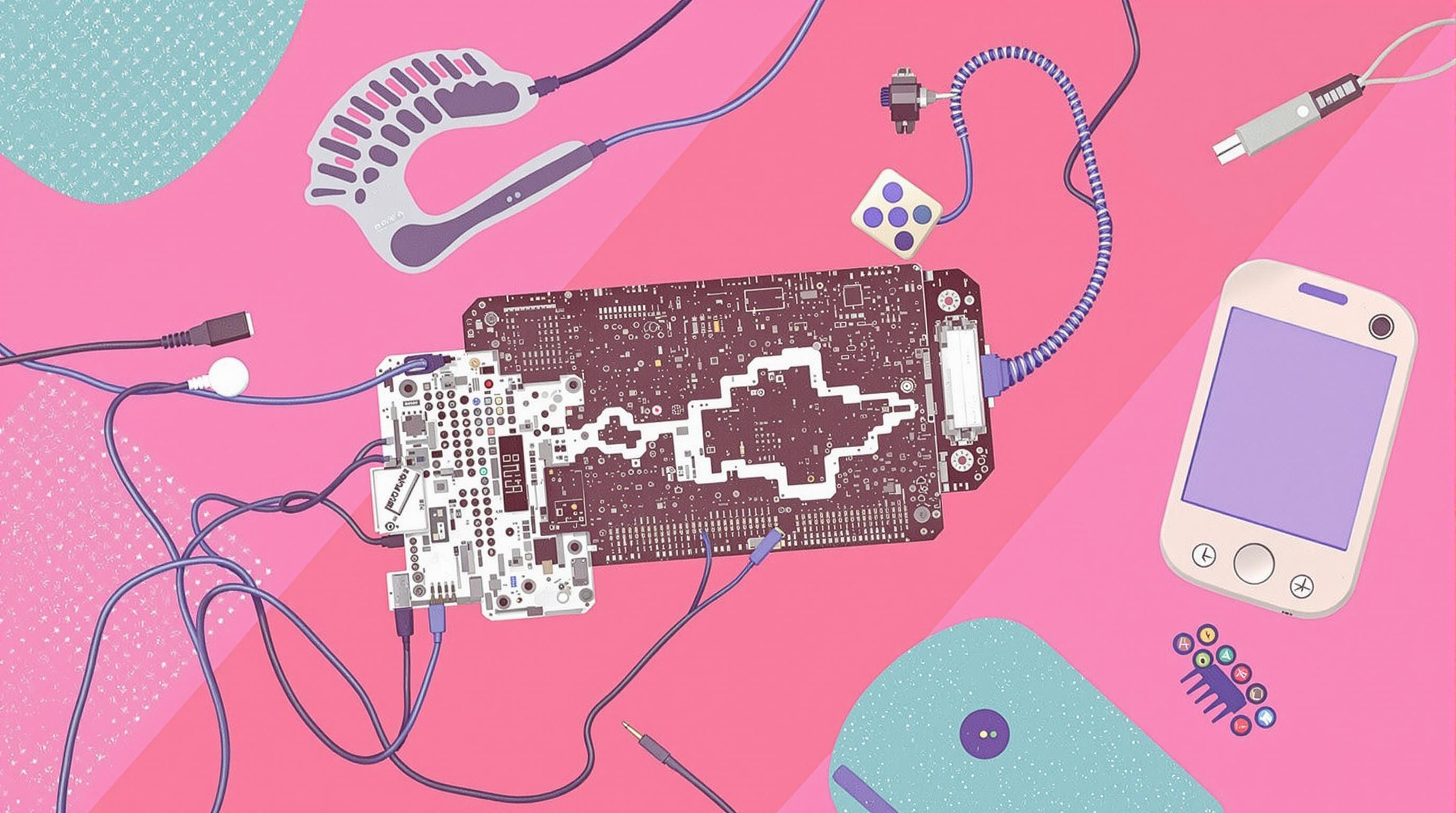
7 Strange New Tools: How Unorthodox Devices Are Transforming Modern Communication in Unexpected Ways
7 Strange New Tools: How Unorthodox Devices Are Transforming Modern Communication in Unexpected Ways
7 Strange New Tools: How Unorthodox Devices Are Transforming Modern Communication in Unexpected Ways
1. Virtual Reality Headsets
Once reserved for the realm of gaming, virtual reality (VR) headsets have found their stride in the communication landscape. These devices allow users to immerse themselves in interactive environments, fostering a sense of presence that traditional video calls lack. Companies like Facebook have invested heavily in VR technology, indicating that the future of remote communication might very well exist in these three-dimensional spaces.
The ability to create lifelike avatars contributes significantly to the intimacy and emotional connection in conversations. Users can engage in meetings that simulate real-life interactions, offering non-verbal cues that screens often miss. This development is particularly poignant in a world growing increasingly fatigued by video conferencing, as it provides a refreshing alternative.
Furthermore, educational institutions are beginning to adopt VR tools for collaborative learning. Students can attend virtual classes together, displaying their avatars in a tutored environment, thus making learning more interactive. This evolution in communication signifies a blend of technology and human connection that, while strange, heralds a promising era of engagement.
2. Smart Glasses
Smart glasses are slowly emerging as a novel communication tool, combining augmented reality (AR) with everyday visual experiences. Devices like Google Glass and Microsoft’s HoloLens are paving the way for this unorthodox approach. Through the functionality of these glasses, users can overlay digital information onto their real-world surroundings, enhancing communication in both personal and professional spheres.
The integration of voice recognition and hands-free operation allows for seamless communication, particularly in contexts where traditional smartphones may prove inconvenient. Users can receive notifications, make calls, or participate in video chats without ever needing to look down at a device. This capability offers a blend of efficiency and convenience that is potentially transformational.
Moreover, smart glasses have implications for accessibility, aiding individuals with disabilities in communicating more effectively. As development continues, the potential for these devices to revolutionize interpersonal interactions becomes increasingly apparent. What may seem peculiar today could soon become commonplace in our daily lives.
3. Holographic Displays
Holographic technology, long the stuff of science fiction, is beginning to infiltrate the communication sector. The rise of holographic displays allows individuals to project life-size three-dimensional images, creating a wholly new medium for sharing information. Companies such as Looking Glass Factory are at the forefront, intrigued by the creative possibilities these displays present.
In remote meetings, for example, a group of colleagues could facilitate discussions with a tangible sense of presence, revolving around a holographic model or presentation. This physicality fosters engagement and can lead to richer discussions, as participants interact in a more organic manner compared to standard video screens.
Additionally, in industries like education and healthcare, holographic displays could revolutionize how information is disseminated and learned. For instance, medical students might study anatomy using holograms instead of traditional textbooks. The implications for communication in this new format may shift educational paradigms and deepen understanding in ways previously unimagined.
4. AI-Driven Personal Assistants
Artificial intelligence (AI) has infiltrated our communication channels through the advent of digital personal assistants like Siri, Alexa, and Google Assistant. These unorthodox tools employ natural language processing to facilitate seamless interaction among users and their devices. The integration of AI in daily tasks makes information more accessible and enhances overall communication efficiency.
Through voice-activated commands, users can dictate messages, schedule appointments, or even control smart home devices. This hands-free approach to communication allows for multitasking, enhancing productivity while encouraging new communication habits. People are discovering that they can communicate with both the digital and physical worlds in an unprecedented manner.
Moreover, AI technology can learn from user interactions, personalizing how devices respond to individual needs. This development indicates a shift towards a more customized communication experience that evolves over time, adapting to the user's preferences and habits. The potential for rogue AI assistants presents both fascinating opportunities and unforeseen challenges in shaping human communication moving forward.
5. Emotional Analysis Tools
Recent advancements in emotional analysis technologies allow us to communicate not only words but also the sentiments behind them. Tools such as Affectiva employ facial recognition and voice analysis to gauge emotions during conversations. This technology has the power to transform communication by adding layers of emotional nuance that words alone often fail to convey.
In business contexts, such tools can help gauge employee morale during meetings, ultimately fostering a more supportive work environment. It can enable managers to better understand team dynamics and address concerns before they escalate. This enhances communication, ensuring that emotional well-being is prioritized alongside productivity.
While the application of emotional analysis in personal relationships remains an area of exploration, it poses intriguing questions about interpersonal communication. As society becomes more aware of the emotional undercurrents in conversations, these tools could foster deeper understanding, bridging gaps in relationships plagued by miscommunication.
6. Social Robots
Social robots are emerging as unconventional companions that also serve significant communicative functions. Robots like Kiki and Sophia are designed to interact with humans, engaging in conversations that can range from casual banter to serious discussions. Their programmable expressions and reactions can humanize communication in ways that challenge traditional boundaries.
These robots can serve therapeutic roles, assisting those who may struggle with social interactions, such as the elderly or individuals on the autism spectrum. By offering non-judgmental responses and companionship, social robots can facilitate meaningful dialogue, enhancing emotional and social support for vulnerable populations.
While some may view social robots as merely futuristic gimmicks, their potential to reshape communication paradigms is increasingly recognized. As technology advances, the integration of these robots into daily life could redefine how individuals form connections, blur the lines between human and machine interactions, and encourage empathy and companionship.
7. Gesture Recognition Devices
Gesture recognition technology has entered the communication landscape, allowing users to interact with devices through bodily movements instead of traditional inputs. Companies like Microsoft, through its Kinect technology, have pioneered this fusion of physical motion with digital interaction. Such innovations enable individuals to engage with technology in more intuitive ways.
This technology can facilitate communication for individuals with disabilities, offering an alternative means of interaction that does not rely on verbal or written language. By interpreting gestures, these devices can provide a bridge for meaningful engagement, especially among those who might otherwise face barriers.
Moreover, incorporating gesture recognition into virtual meetings could streamline interactions, allowing for more dynamic presentations and discussions. This means that participants could emphasize points through gestures, enabling a more kinetic form of communication that feels less stilted than static conversations conducted via screens. As we embrace these unconventional methods, the future of communication is suffused with exciting possibilities.
Conclusion
The advent of these seven strange tools marks a pivotal moment in the landscape of modern communication. As technology continues to evolve, these innovations invite us to reimagine how we interact with one another, blurring the boundaries between the digital and the human touch. Each device, while unconventional, adds new dimensions to communication, emphasizing the need for connection in an increasingly digital age.
With these tools transforming how we share information, they also present opportunities for fostering collaboration and understanding in unprecedented ways. From immersive VR experiences to intuitive gesture recognition, it is evident that modern communication is evolving beyond traditional forms, accommodating various needs and preferences.
As we venture further into this technological era, it remains essential to navigate these innovations thoughtfully. Embracing such unorthodox tools may lead to deeper connections and shared experiences that ultimately enhance our shared humanity.
Read More